

Every Path, Thoughtfully Supported
At STS, post-secondary planning is built on relationships that span years. Conversations begin toward the end of Middle School, with two full-time post-secondary counsellors getting to know students well before key decisions arise. Over time, these connections help shape thoughtful plans for life after Senior School, grounded in each student’s goals and aspirations.
How Planning Unfolds
Grades 9-10
Students build self-awareness, explore interests, and begin understanding how choices made now shape what comes later. Counsellors guide course selection with purpose, and students start attending university representative visits and campus tours across Canada (starting in Grade 10).
Grade 11
The pathway becomes clearer. Students dig into post-secondary research, attend focused fairs, and hear from guest speakers and alumni who offer perspective no brochure can replicate. A strong foundation becomes a real plan.
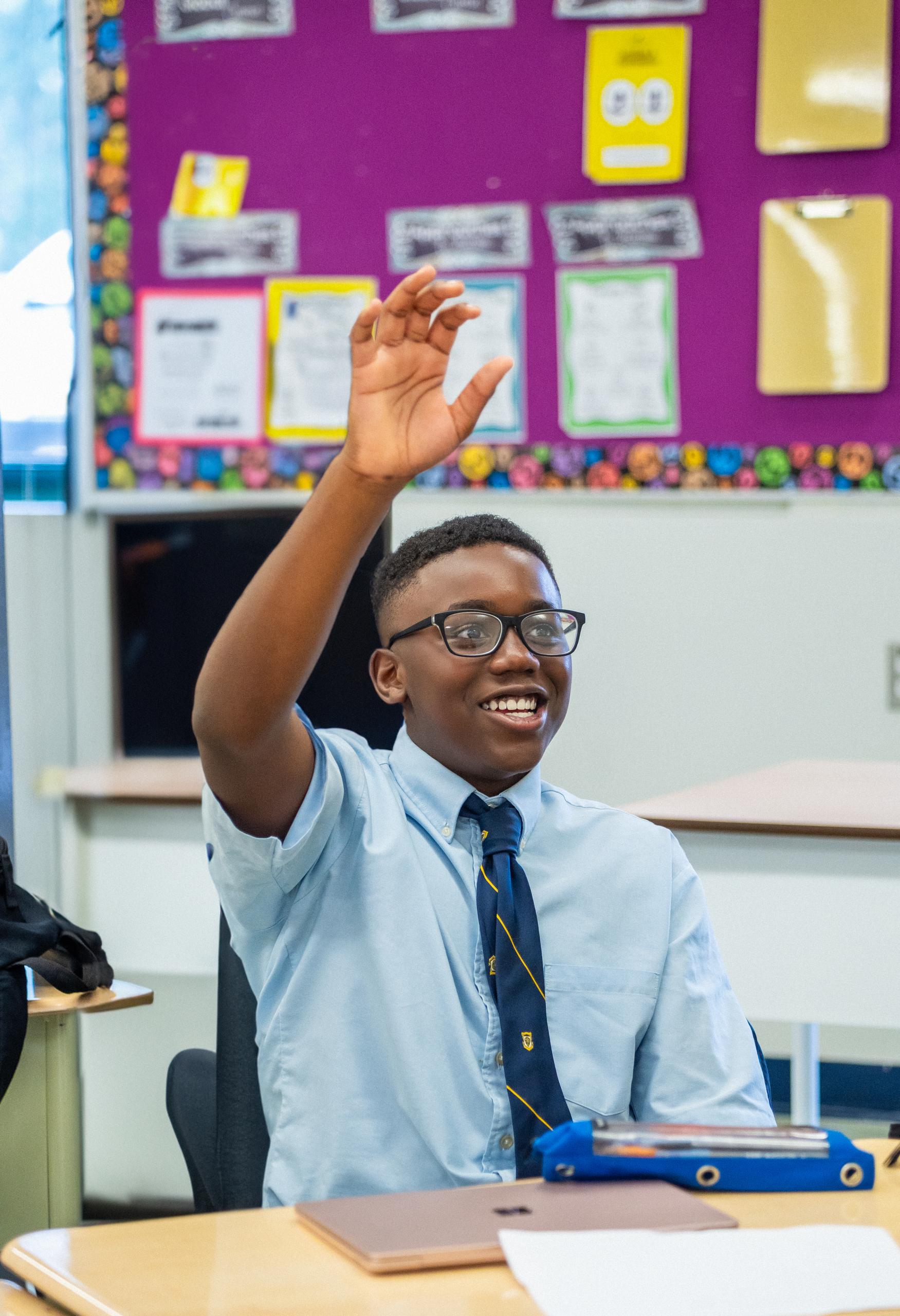
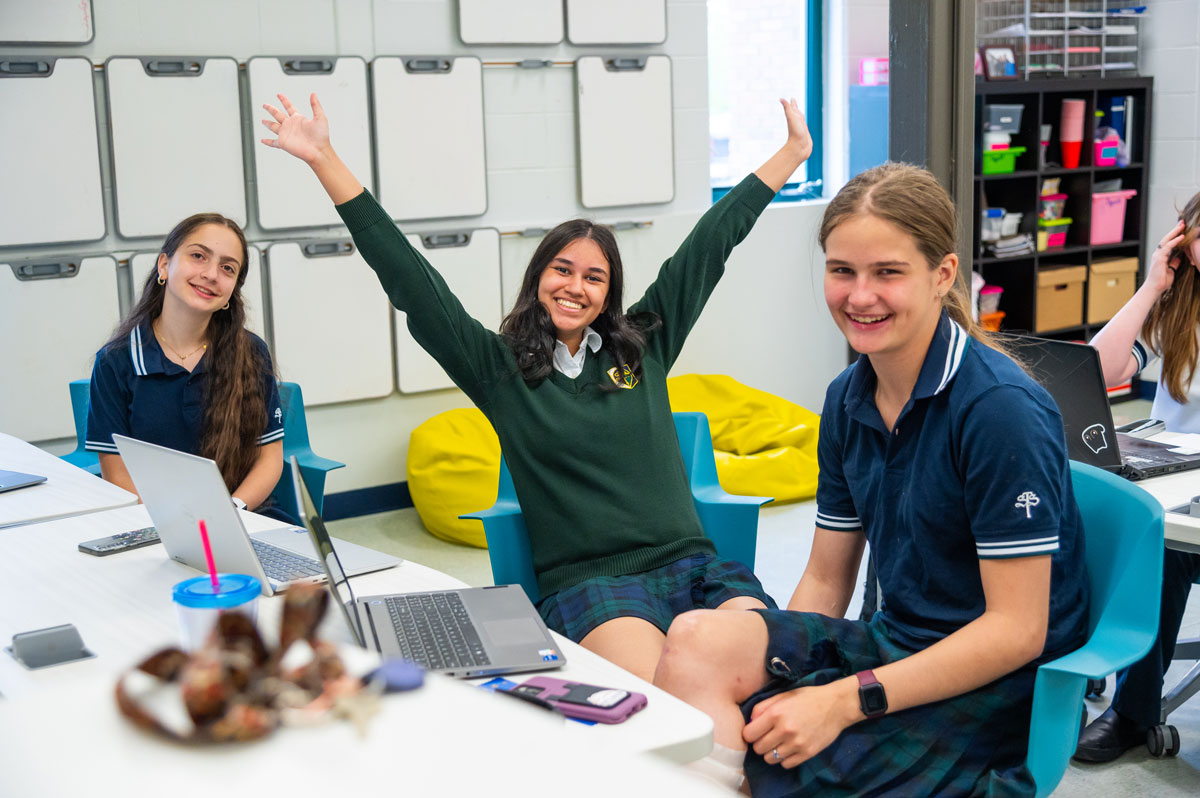
Grades 11 and 12
Full application support — from timelines and personal statements to scholarships and final decisions. Focused fairs, alumni mentorship, and direct access to admissions representatives bring it all together. And when graduation arrives, the relationship doesn’t end — STS counsellors stay connected through the post-secondary years.

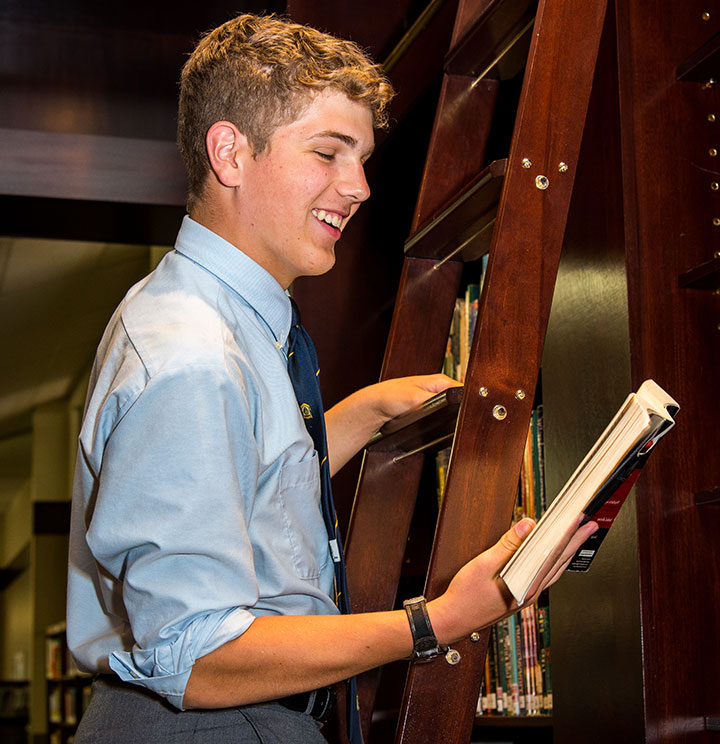
Where Guidance Gets Real
Campus Tours
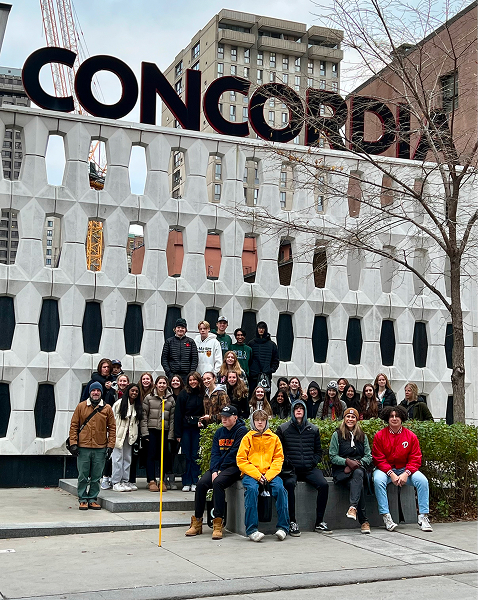
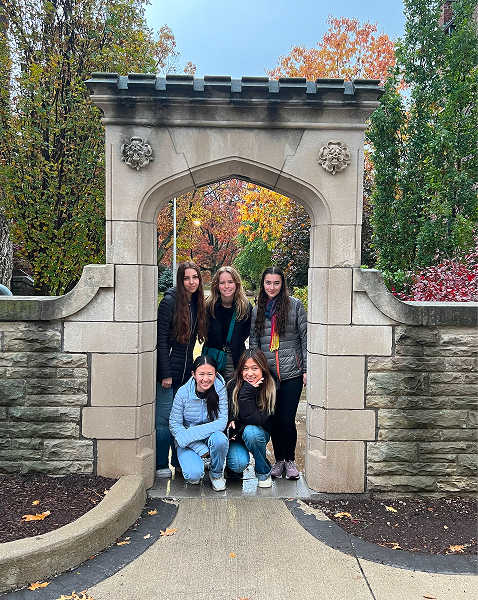
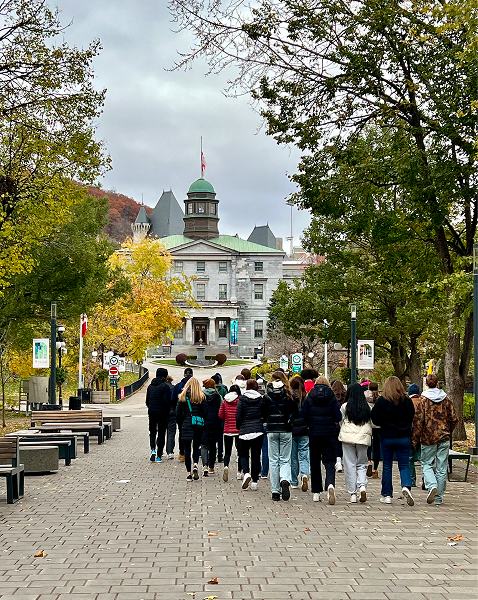
Students in Grades 10 to 12 visit post-secondary campuses across Canada. Seeing a campus in person—its culture, scale, and energy—helps students better understand their options and make more confident decisions.
Post-Secondary Fairs
A series of focused fairs hosted at STS throughout the year connects students with institutions from Alberta, across Canada, the U.K., and the U.S., including specialized sessions in medicine and health sciences. These smaller events allow for more direct, meaningful conversations.
University Representative Visits
Throughout the year, admissions representatives visit STS to meet with students in smaller, more conversational settings—creating space for questions, discussion, and deeper understanding of programs and pathways.
Guest Speakers
Students hear regularly from professionals and alumni across a wide range of fields, broadening their sense of what’s possible and helping them connect their interests to real careers and lives.
Alumni Mentorship
STS connects students with alumni at every stage — from those navigating first year to professionals well into their careers. It’s the kind of insight that only comes from someone who’s actually been there. A conversation with the right alum can change everything.
And behind it all? A network of more than 11,000 alumni who sat in the same classrooms, daydreamed about their futures, and now come back to share what they’ve learned.


By the numbers
371
Offers of admission
received by the Class of 2025
Post-secondary institutions
across six countries and regions
81
100%
IB Diploma pass rate
Class of 2025 — compared to 81 per cent worldwide
Average IB Diploma score
Class of 2025 — compared to a world average of 30.5
35
6
Regions where STS graduates
where STS graduates received offers: Canada, United States, United Kingdom, Europe, Australia, and the Caribbean
Beyond STS: Recent Graduate Pathways
From medicine and law to robotics, design, and the arts, STS graduates pursue a wide range of post-secondary pathways across Canada and around the world. The range of destinations reflects students’ interests, shaped over time through exploration and thoughtful planning.
Recent destinations have included:
Canada
- Dalhousie University
- McMaster University
- Memorial University of Newfoundland
- Mount Royal University
- Queen’s University
- St. Francis Xavier University
- Thompson Rivers University
- University of Alberta
- University of British Columbia
- University of Calgary
- University of Saskatchewan
- University of Toronto
- Western University
and many more!
United States
- Arizona State University
- Babson College
- Carnegie Mellon University
- Gonzaga University
- Massachusetts College of Pharmacy and Health Sciences
- Pennsylvania State University
- Sacred Heart University
- Texas Tech University
- University of California, Berkeley
- University of Chicago
- University of Colorado Boulder
and many more!
International
- King’s College London
- London School of Economics and Political Science
- RCSI University of Medicine and Health Sciences
- Saint George’s University (Grenada)
- Swiss Hotel Management School
- Trinity College Dublin
- University College London
- University of Leeds
- University of St Andrews
- University of Sydney
and many more!
University Tour Highlights
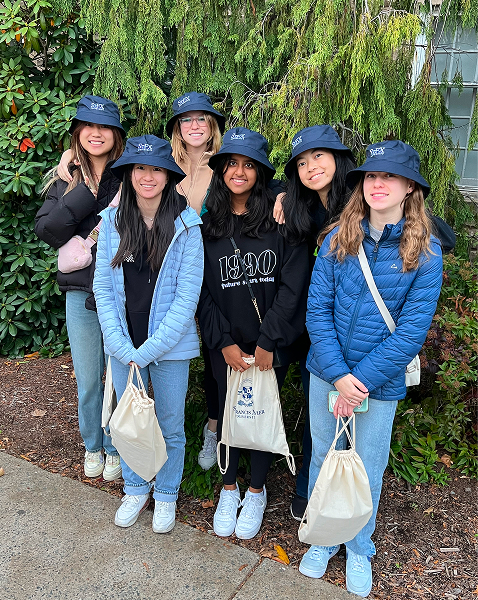
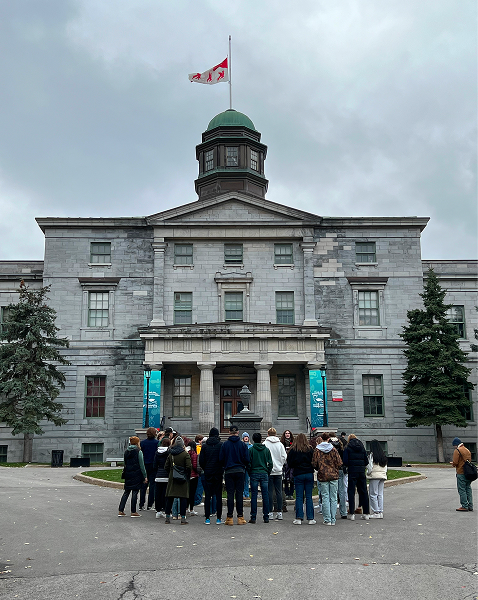
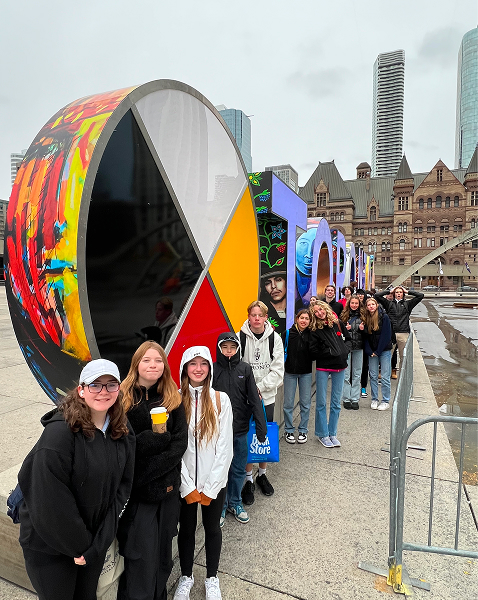
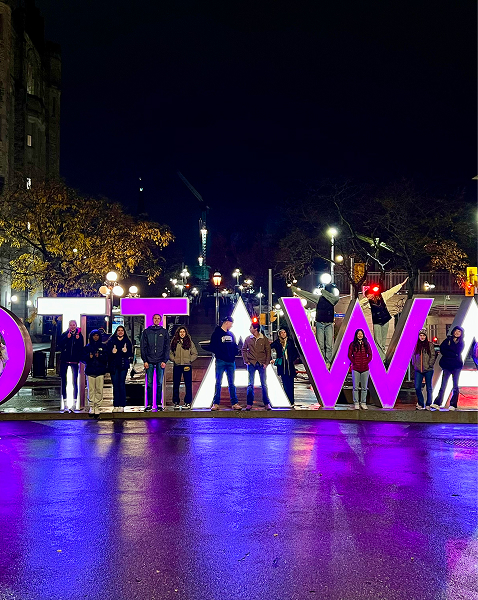
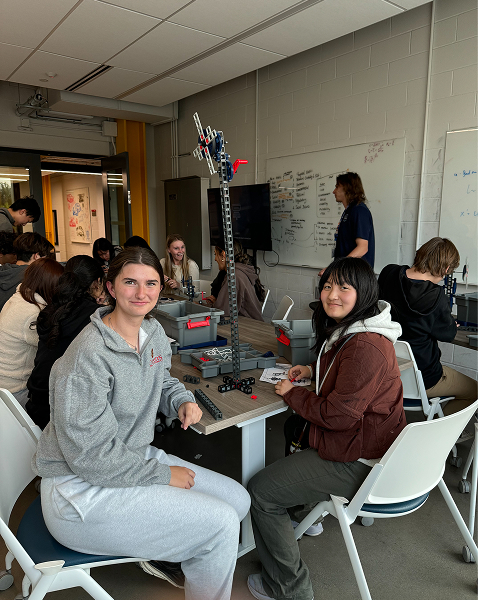
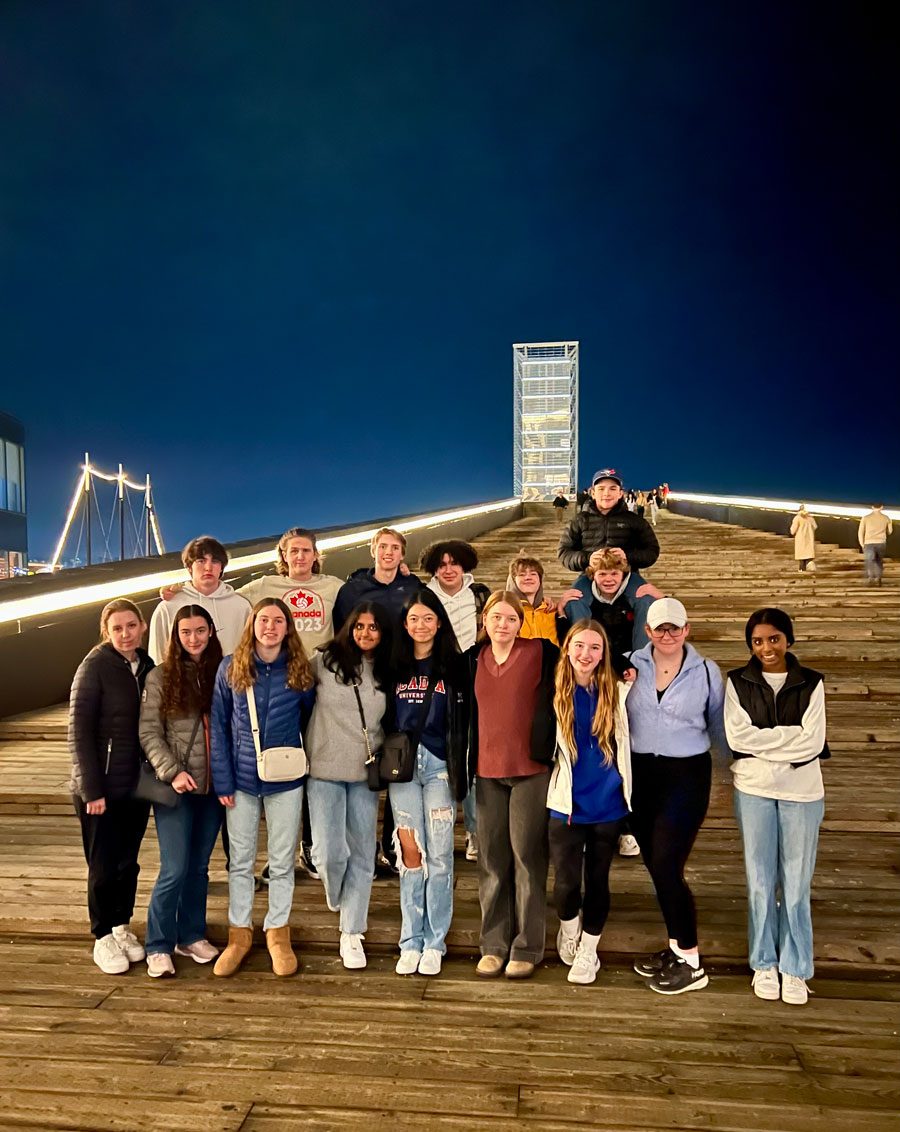
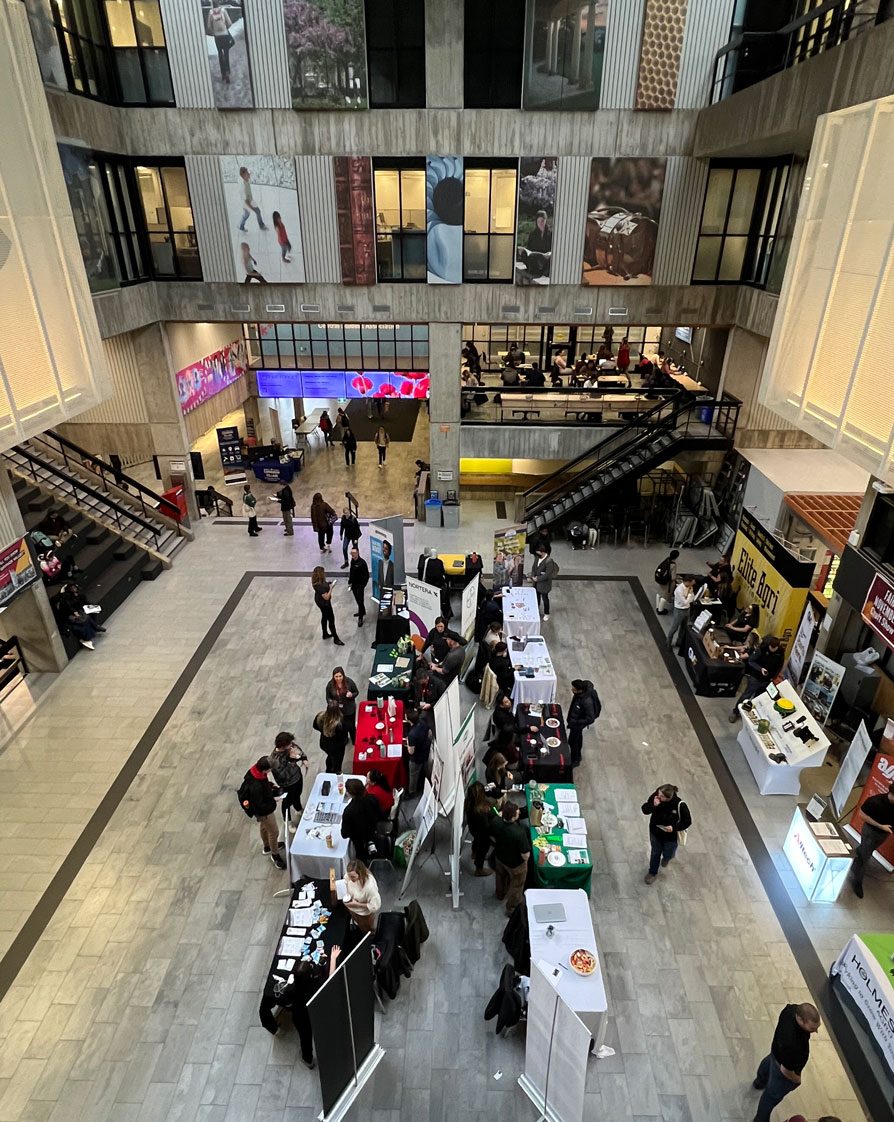
Making the post-secondary decision gets easier when you can actually picture yourself there. Campus tours turn possibilities into real options. Here are some recent moments from our university visits.
Post-Secondary FAQs
Find answers to the most common post-secondary questions we receive below!
When does post-secondary guidance begin at STS?
Post-secondary guidance at STS starts well before Grade 12. In Middle School, students begin building self-awareness, exploring interests, and understanding how their choices shape future opportunities. Through Grades 9 and 10, that foundation becomes more focused, with dedicated conversations, course planning, and early pathway exploration built into the experience. By the time applications are underway, students know themselves well. It shows in their applications.
Who provides post-secondary guidance at STS?
Two full-time counsellors lead post-secondary guidance at STS. They are deeply connected to the post-secondary landscape in Alberta, across Canada, and internationally, and they stay current on admissions trends and institutional changes so students are always working with accurate, up-to-date advice. Students work with the same counsellors over time, which means the guidance they receive is grounded in a real understanding of who they are.
The relationship continues after graduation. STS counsellors stay in touch with alumni through their post-secondary years, which is often when students most need a trusted voice in their corner.
What does post-secondary guidance at STS include?
Students receive support at every stage: course selection, university and college research, application timelines, personal statement development, scholarship guidance, and final decision support. Beyond the one-on-one work, students have access to representative visits, regional and specialty fairs, campus tour trips across Canada, and alumni mentorship. The program is comprehensive, but the goal is straightforward: to help each student find a path that fits.
What if they have no idea what they want to study after graduation?
Most students feel this way at some point, and many feel it for longer than they let on. STS counsellors don’t push students toward decisions before they’re ready. Instead, they help students explore broadly, ask better questions, and build clarity over time. Figuring out what you want is part of the process, not a problem to solve before it starts.
How personalized is the guidance?
Students work with the same counsellor throughout their Senior School years. By the time a student is writing a personal statement or weighing offers, their counsellor already knows their story. That history makes the guidance more useful and the conversations more honest.
How does STS help students choose the right courses?
Course selection has a bigger impact on post-secondary options than most students realize until it’s too late to change. At STS, students receive guidance on choosing courses that align with their goals, meet graduation requirements, and keep future pathways open. Families are part of these conversations from the start.
What kinds of post-secondary exposure do students get at STS?
Throughout the year, STS hosts visits from university and college representatives and organizes a series of focused fairs: Alberta schools, western Canadian institutions, universities from across Canada, U.K. options, U.S. options, and medicine and health sciences pathways. Students can attend sessions relevant to their interests and speak directly with admissions representatives in smaller, one-on-one settings. This kind of access matters when it comes time to apply.
How does the IB experience support post-secondary readiness?
IB asks students to think independently, sustain long-term projects, and engage seriously across disciplines. Those habits serve students well once they arrive at university. At STS, counsellors help students draw a clear line between what they’ve done through the programme— the Extended Essay, CAS experiences, higher-level coursework — and what they highlight in their applications.
How does STS help students stand out in competitive applications?
The strongest applications are built over years, not weeks. At STS, students are encouraged throughout their time at school to pursue what genuinely interests them: leadership, service, arts, athletics, research, entrepreneurship. When it comes time to apply, the post-secondary guidance team helps students articulate those experiences in a way that is clear, specific, and authentically theirs.
Does STS support applications outside of Canada?
STS supports students applying to universities in Canada, the United States, the United Kingdom, and beyond. Requirements, timelines, and expectations vary considerably by destination, and students receive guidance specific to wherever they are applying. Our counsellors maintain active connections with institutions across multiple countries and are well-versed in international admissions.
How does STS prepare students for life after graduation, not just admission?
Admission is the beginning, not the finish line. STS graduates leave knowing how to advocate for themselves, handle uncertainty, and make decisions independently. The counselling relationship, the alumni network, the years of guided self-reflection — all of it is aimed at producing students who are ready for what comes next, not just accepted into it.

It Starts Here
Your child’s education starts here – and we’re excited to share the learning journey with you. Explore our latest news and updates in our STS newsletter.
 403.938.4431


