Expanded Menu
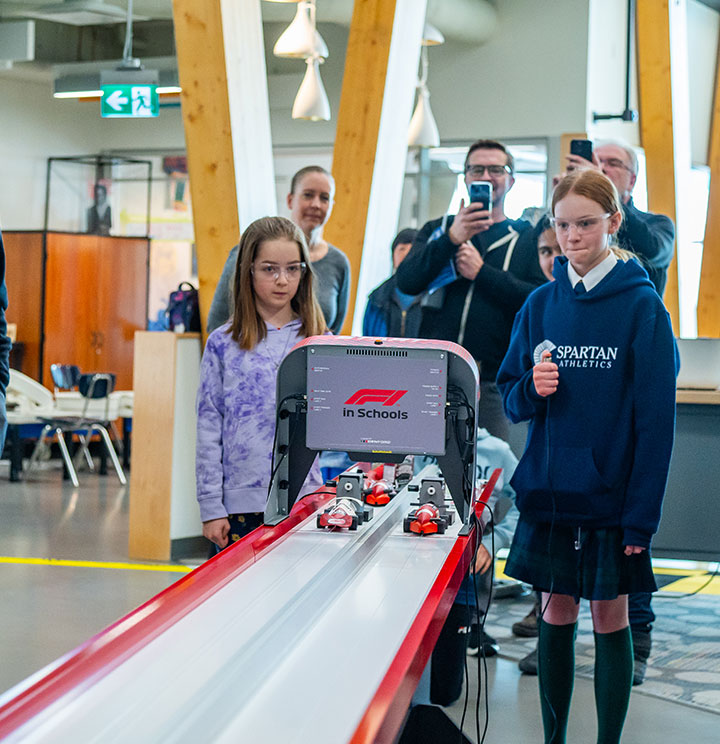
Design, Technology, and Innovation (DTI) is a core program at STS. It is integrated throughout Elementary School, then required as a stand-alone course for three years in Grades 7–9. Great design is not accidental. Skills build over time, mistakes inform the next attempt, and practice deepens understanding.
Students follow the IB Design Cycle: investigating, designing, planning, creating, and evaluating. They begin with people and context, then research, prototype, test, and refine. Along the way, they develop an understanding of human needs, technological possibilities, and entrepreneurial thinking. Making matters, but purpose and communication guide the work.
This is not about “tech for tech’s sake” or showcasing gadgets. Tools support thinking, not the other way around. Fundamentals such as reasoning, writing, and revision remain essential.
Students design with people in mind. They consider real needs, test ideas in context, and refine based on feedback.
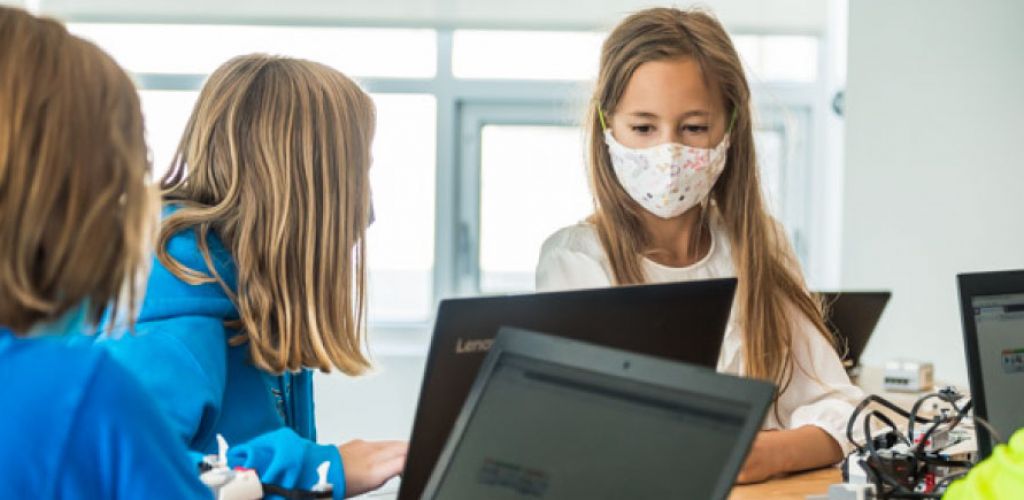
Real challenges do not sit within a single subject. Students draw on mathematics, science, communication, and creative thinking to develop solutions.
Design and Innovation is grounded in consistent principles across the School. Tools and complexity evolve over time, but the approach remains steady. Students learn to define problems clearly, think deliberately, and build solutions that respond to real needs.
They also learn to collaborate, respond to feedback, and communicate their thinking with clarity.
Early experiences are introduced through ENCORE (K–6) and SPARK (7–9), then deepen into more specialized work as students progress.
The world is complex, but that is where opportunity lives.
The world is complex,
but that's where
opportunity lives.
Work and learning are changing quickly. Students learn to use technology with intention, strategically, creatively, and with purpose. They apply design thinking to challenges in their communities.
The outcome is not just technical skill. Students develop judgment, adaptability, and the ability to create meaningful impact.
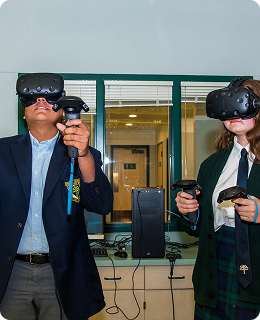
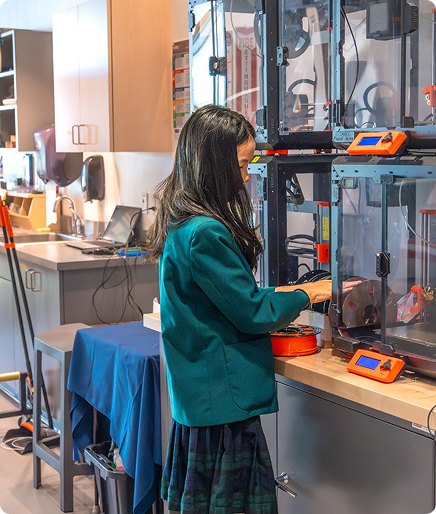
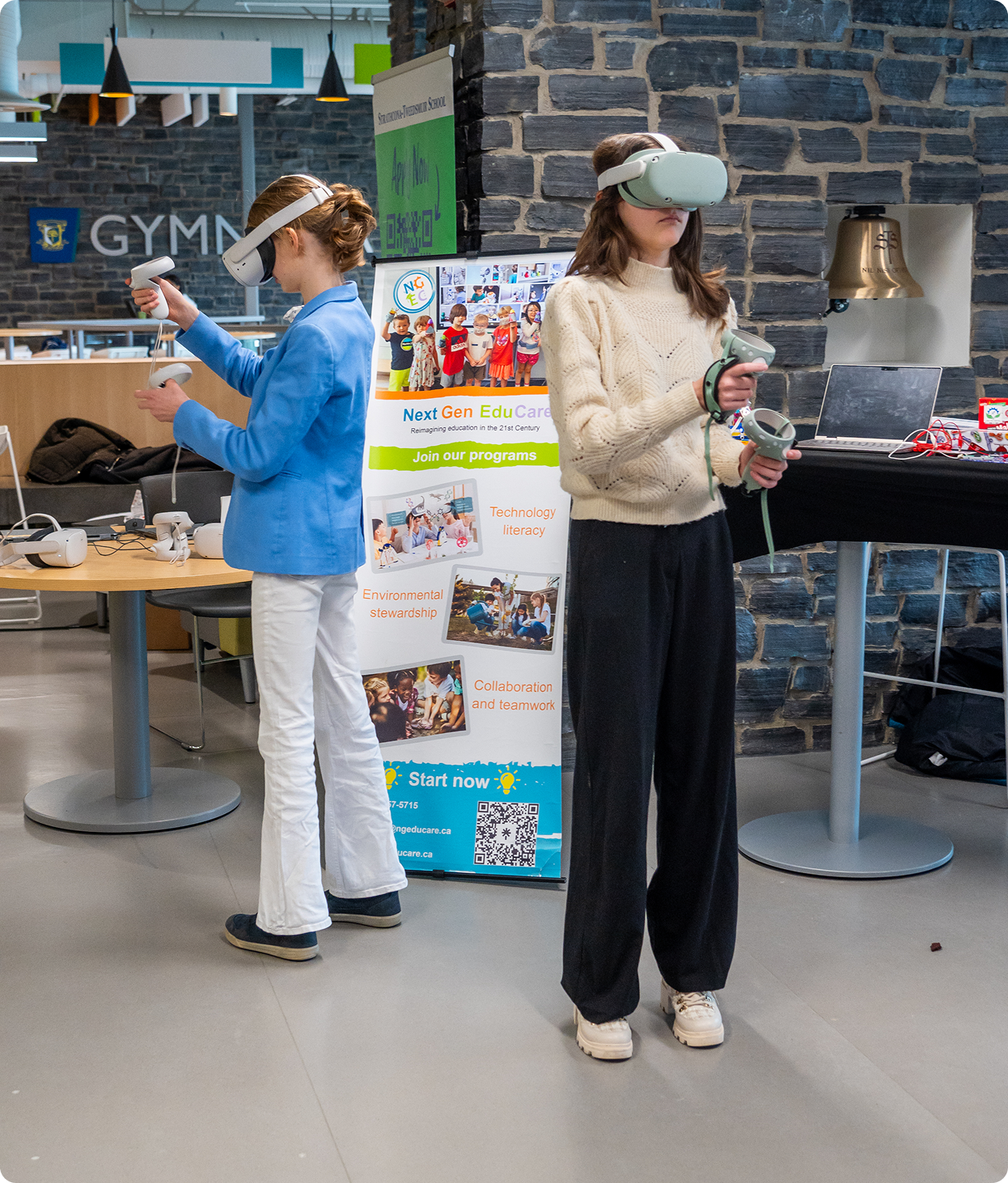
Students build fluency with emerging technologies by applying them in real contexts. They experiment with tools, evaluate their effectiveness, and make informed decisions about when and how to use them. The focus is on understanding capabilities, recognizing limitations, and using technology responsibly.
Students develop strategic thinking through authentic design challenges. They define problems, analyze constraints, weigh competing priorities, and make decisions with incomplete information. They evaluate evidence, consider trade-offs, and adjust their approach based on feedback.
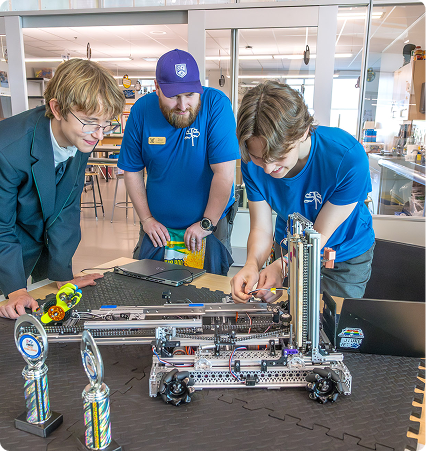
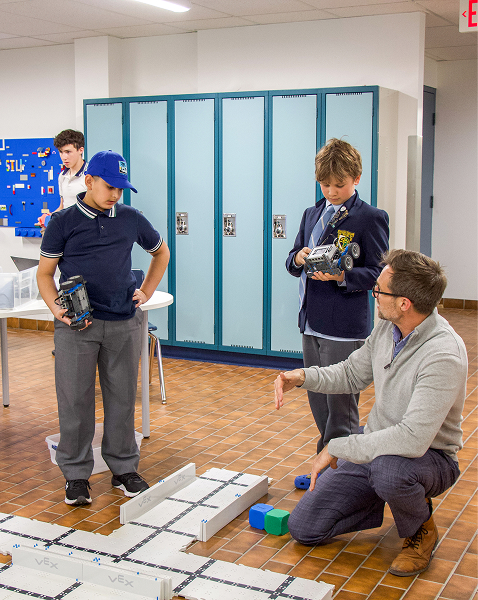
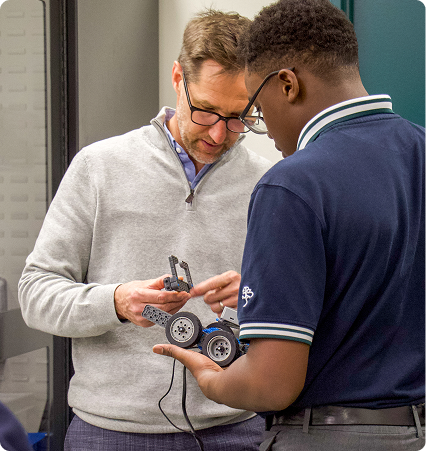
Students identify real needs and develop solutions that make a difference. They conduct research, engage with stakeholders, prototype ideas, and test them with users. Projects may address local challenges or serve specific groups, always grounded in empathy and measured impact.
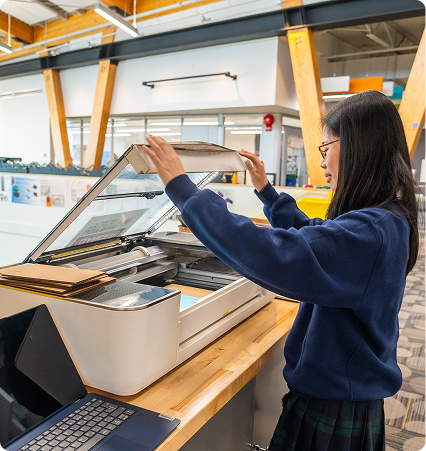
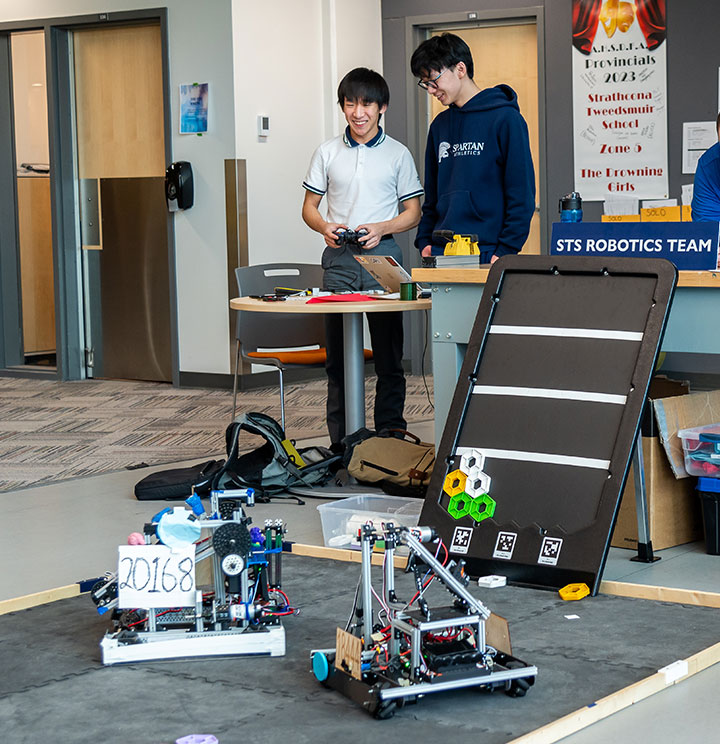
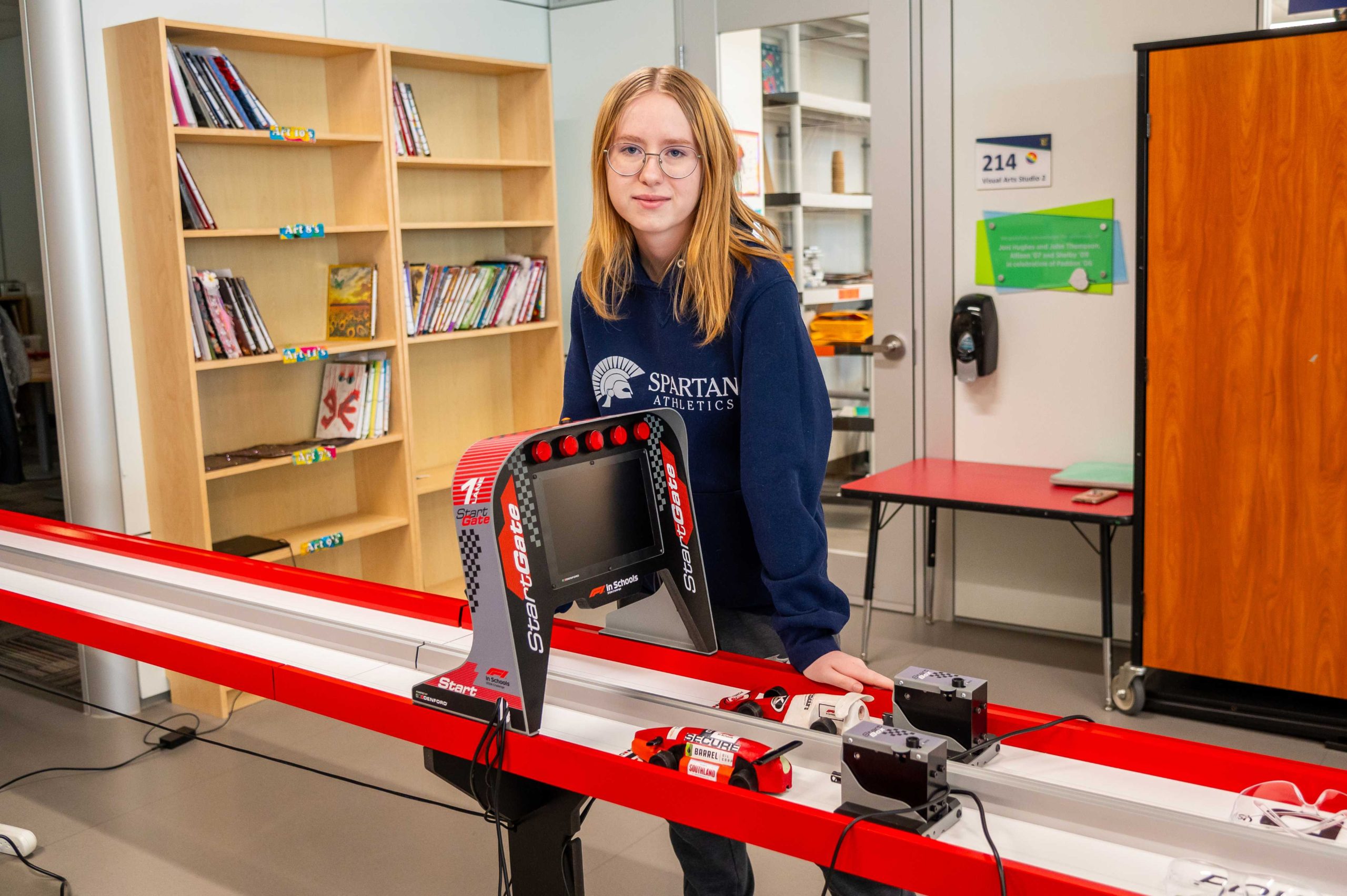
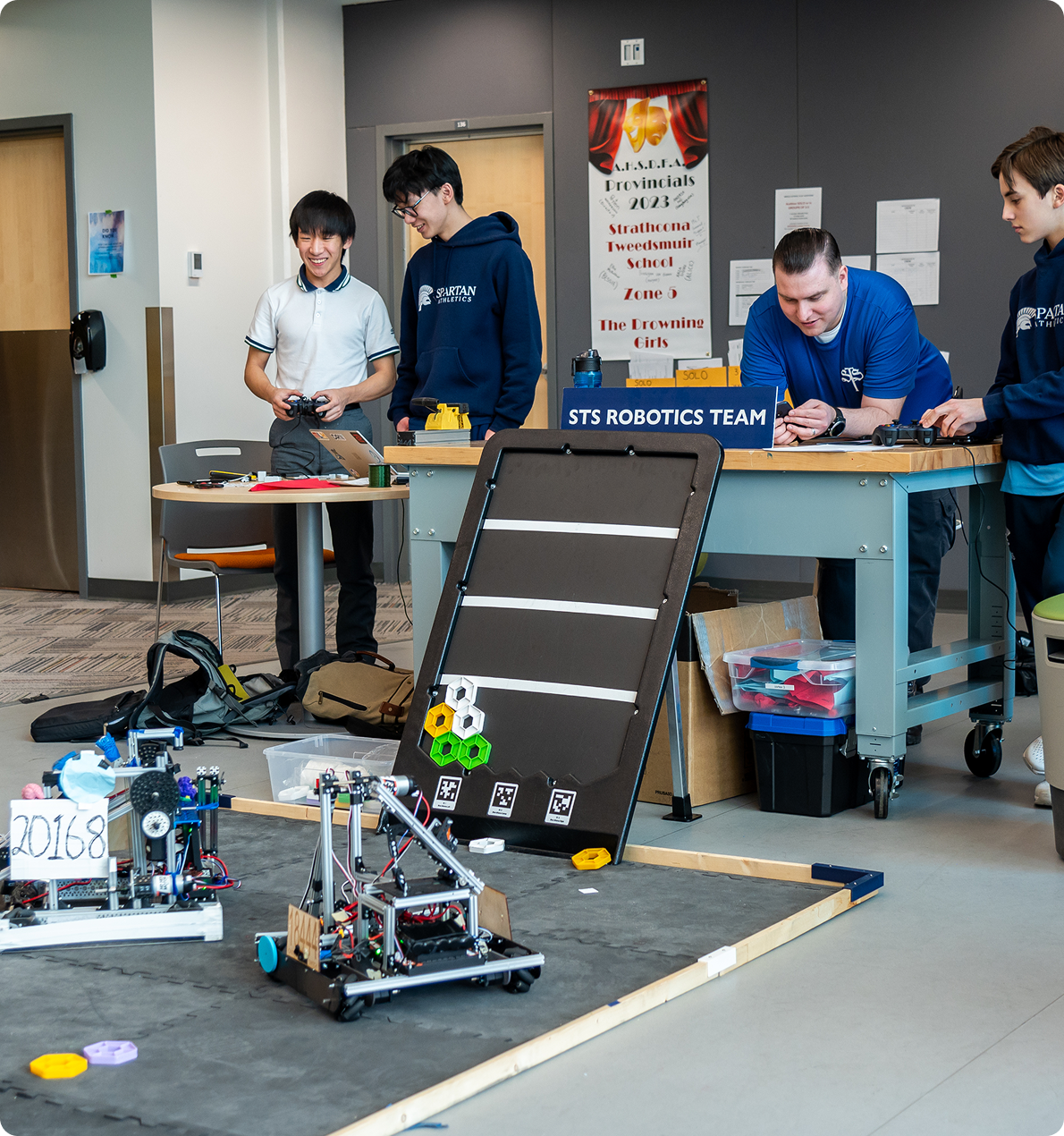
Learning deepens when the stakes feel real. Students investigate problems, develop solutions, and evaluate outcomes. They prototype, test against constraints, and refine based on feedback, bringing together technical skill and strategic thinking in authentic contexts.
See what happens when students take on complex challenges with creativity and purpose.
The future is not what it used to be — but it can be what we make it. As educators, one of the challenges of crafting a truly exceptional education stems from the fact that our students and new graduates are stepping into a very different world than what we may have experienced. The concept of Gig Economies or temporary contracted positions, while not altogether new, has seen a recent surge in popularity, and ensuring that every student of Strathcona-Tweedsmuir School (STS) has the tools and resources they need to thrive in any number of diverse environments is more important than ever before.
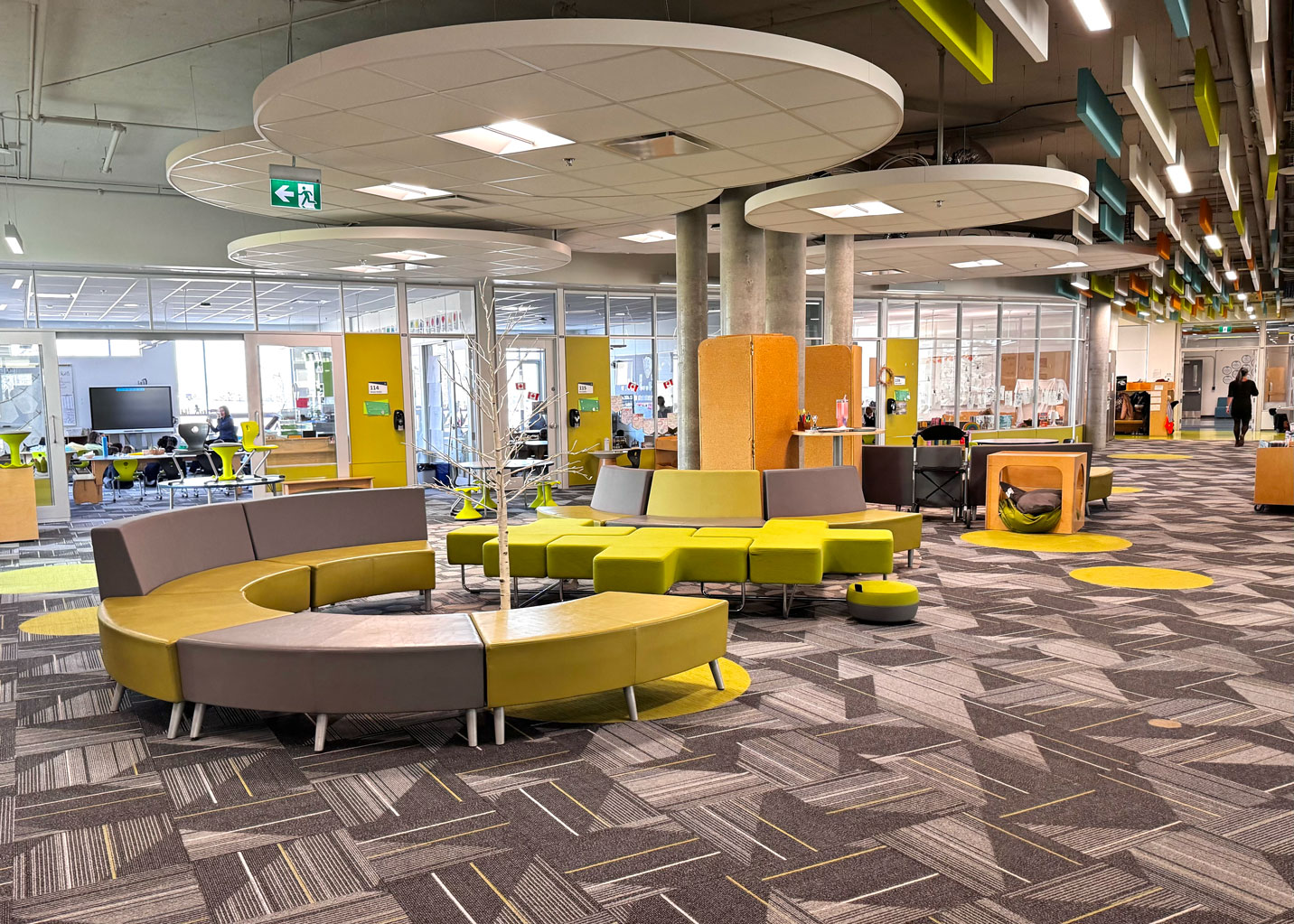
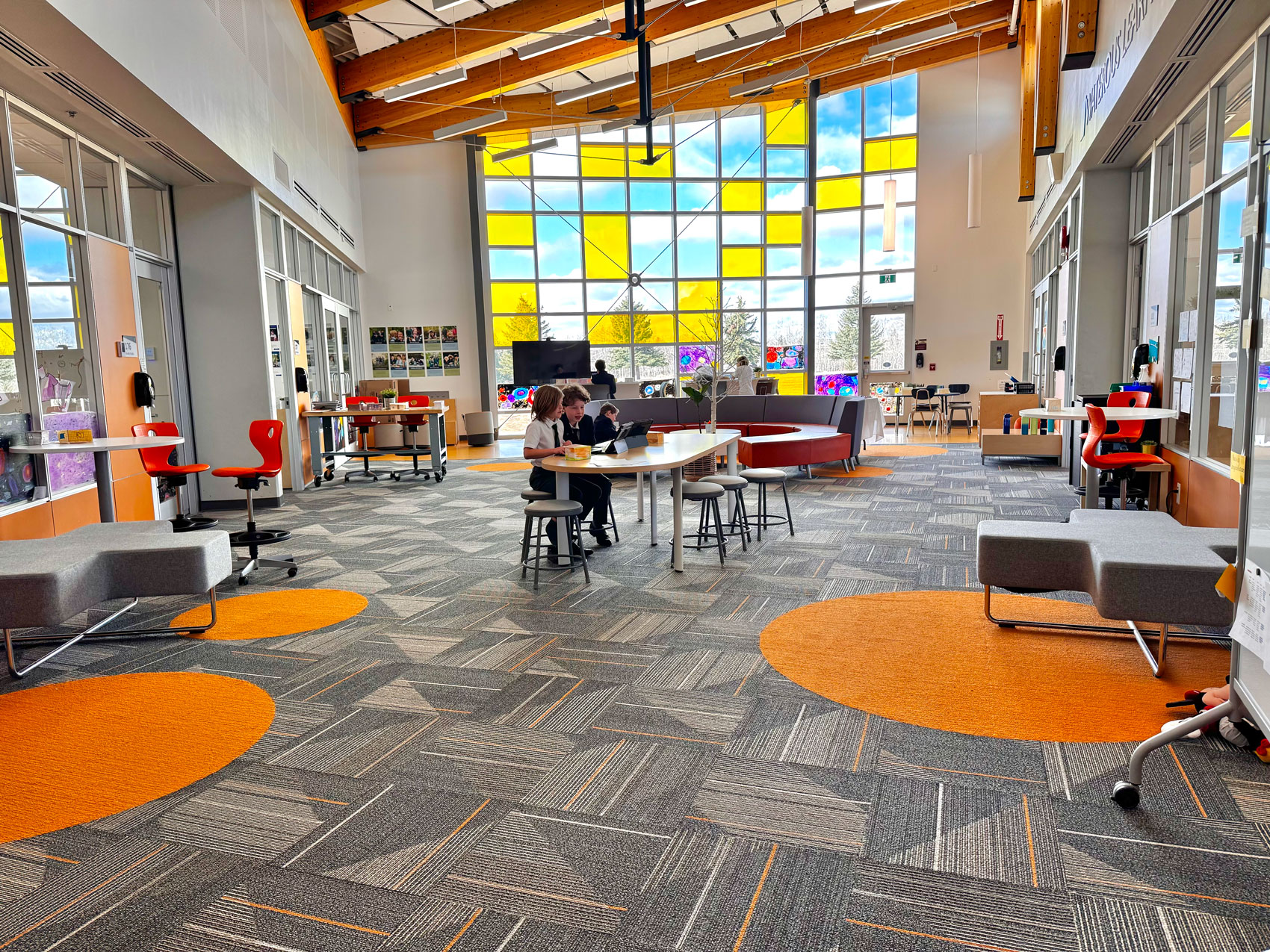
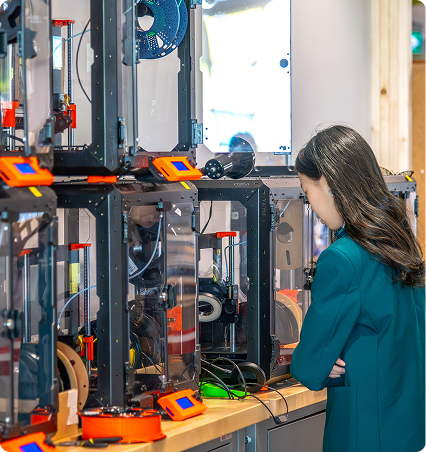
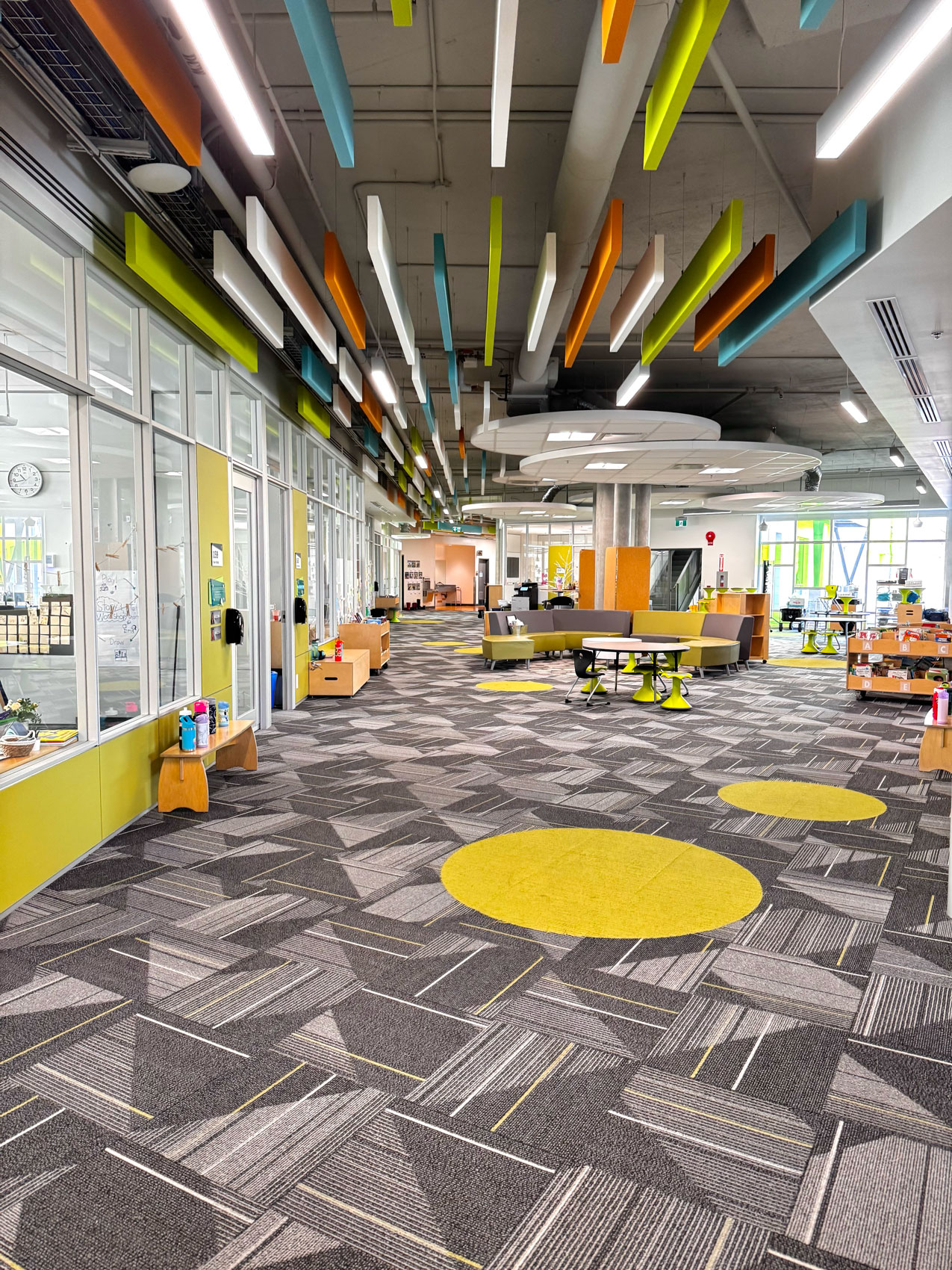
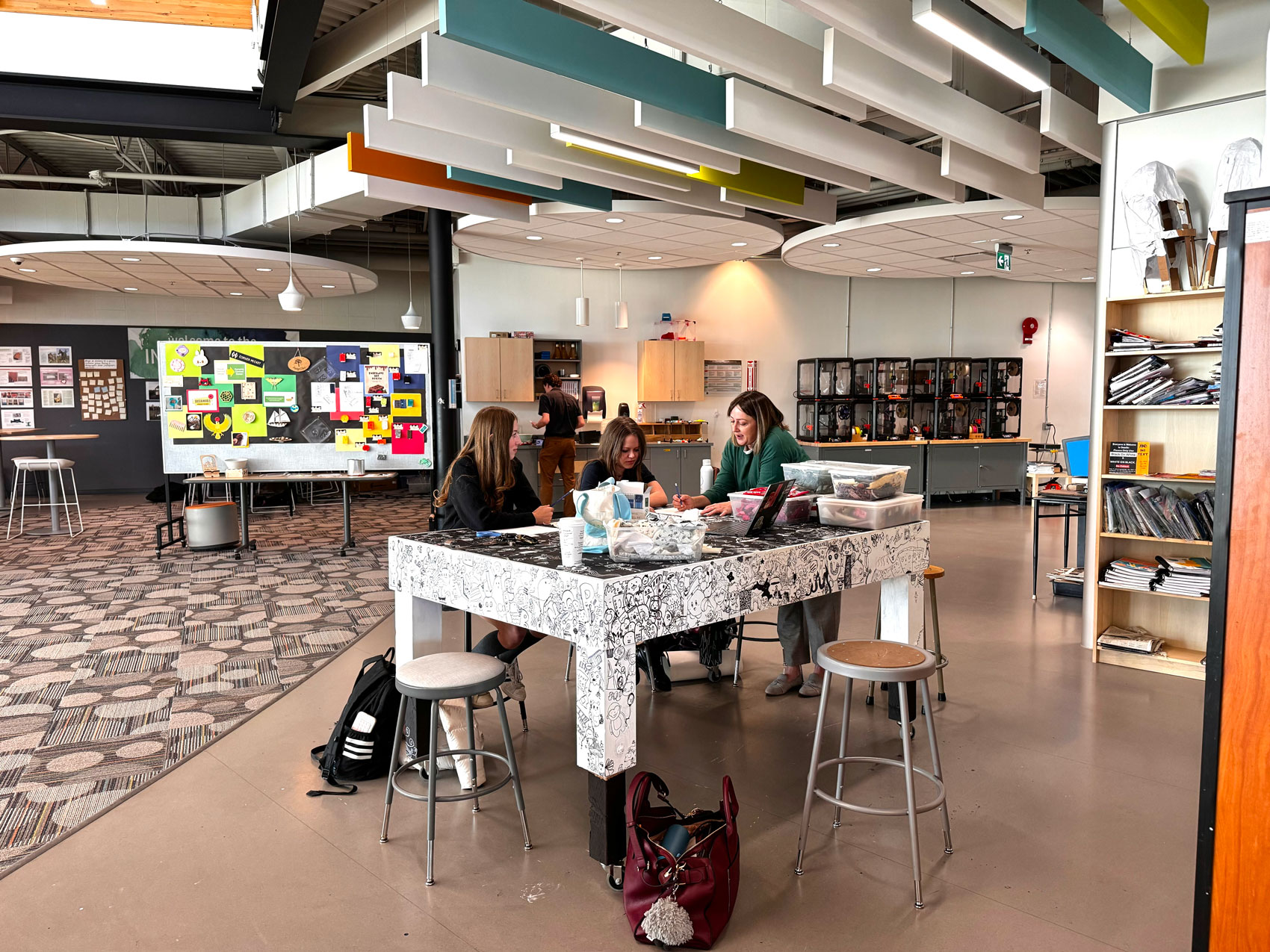
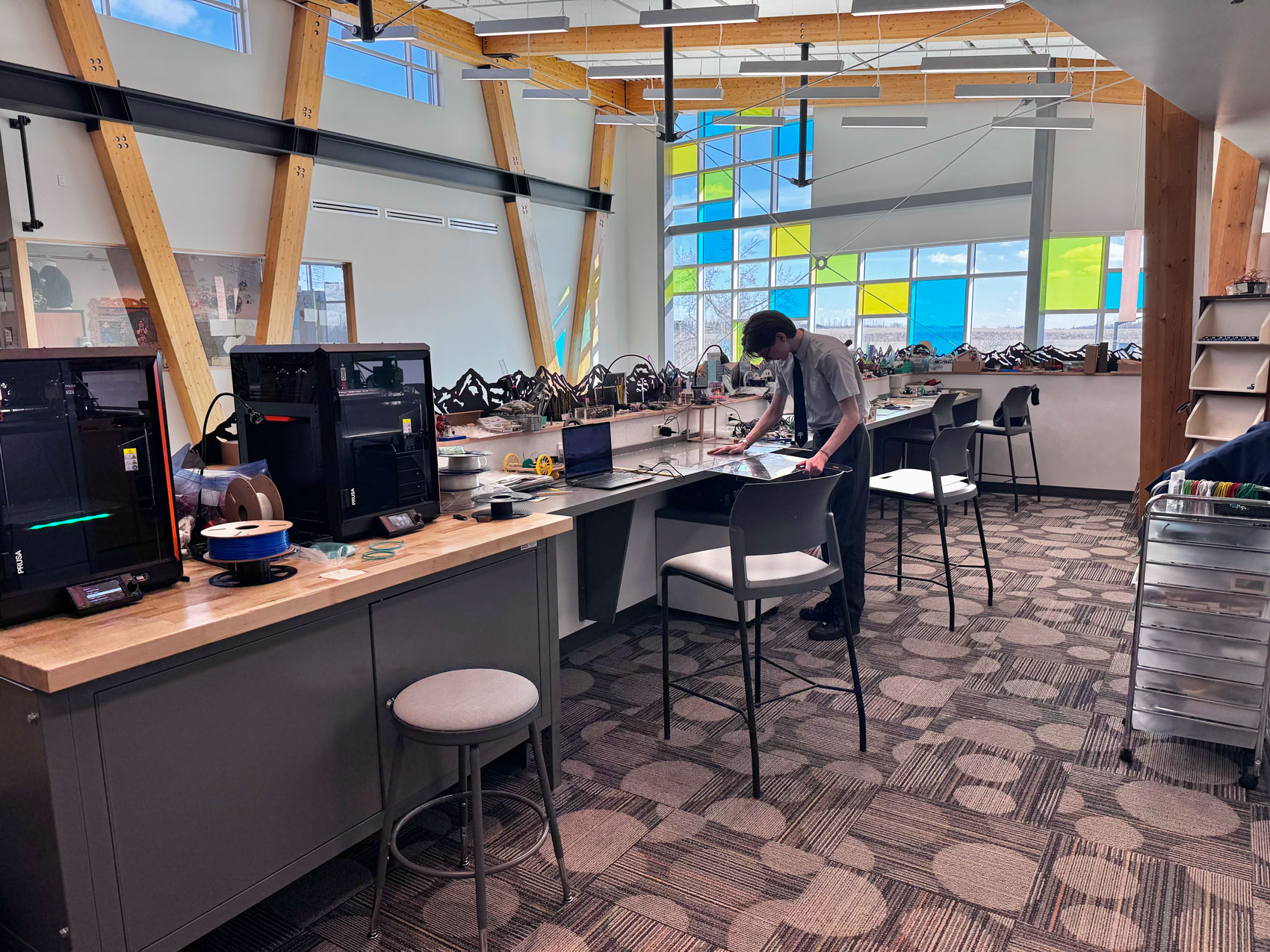
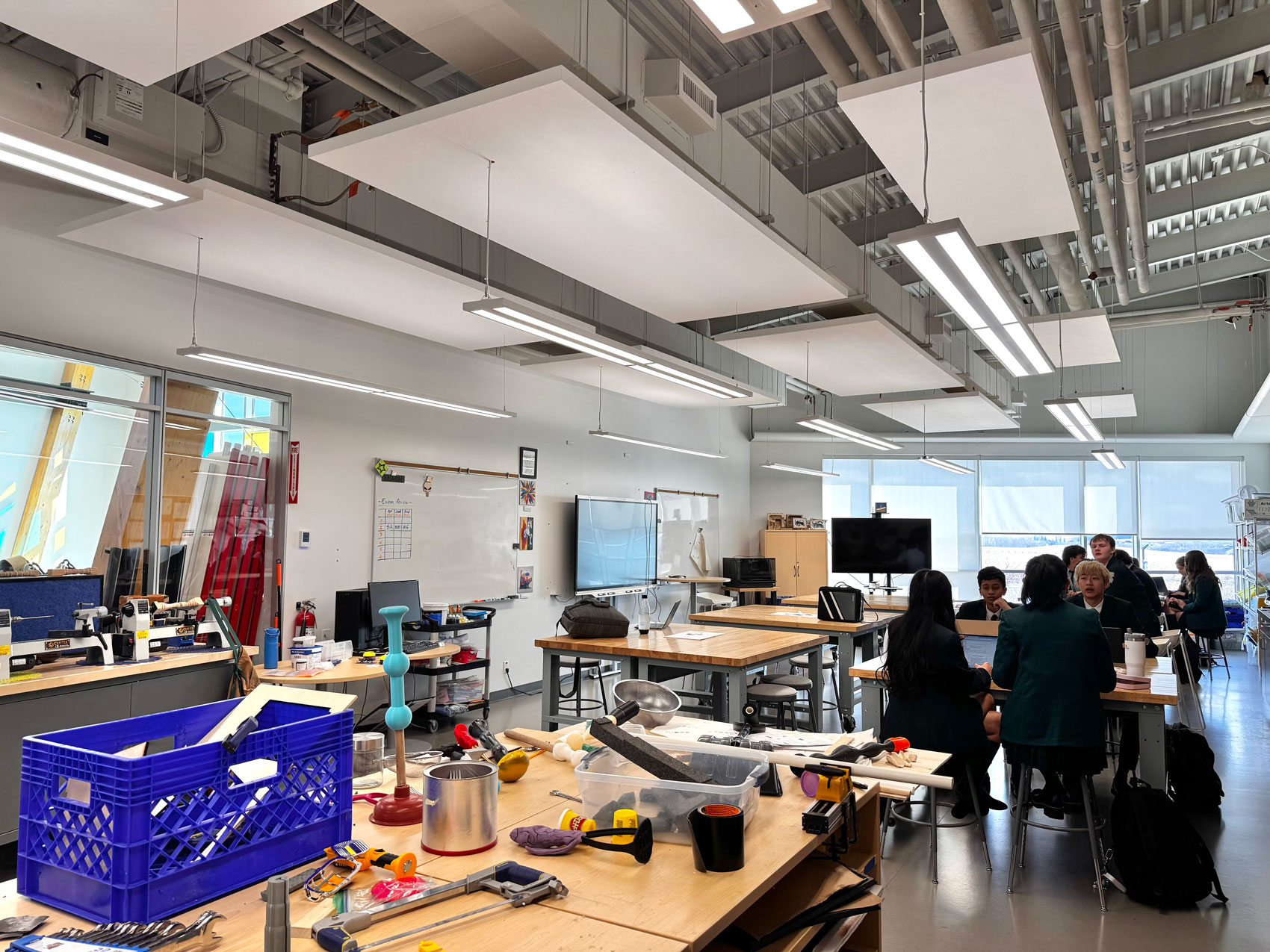
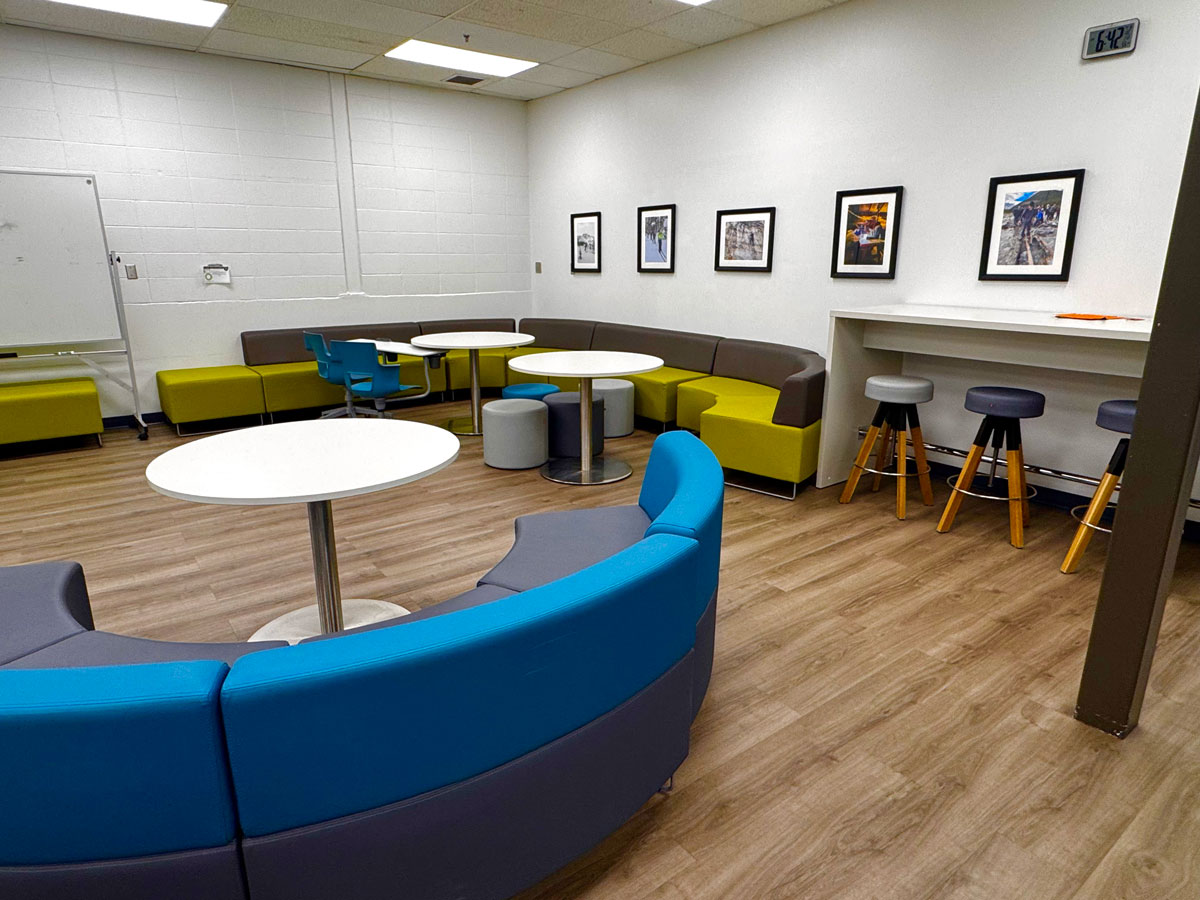
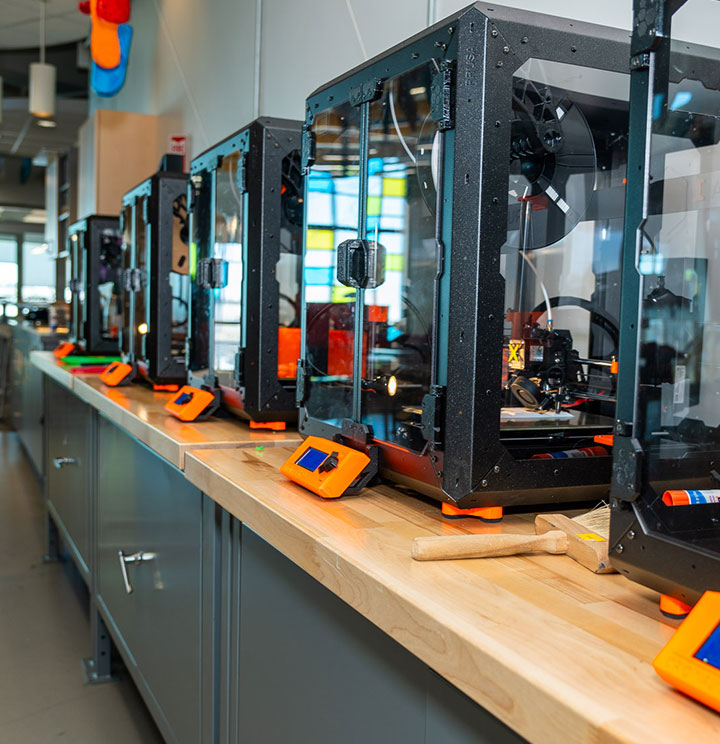
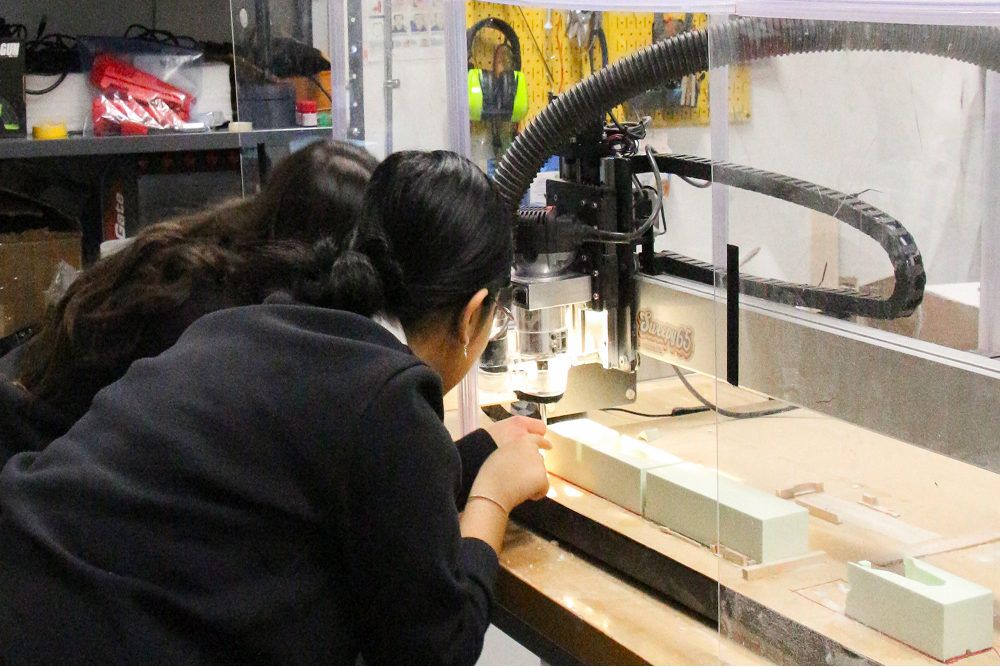
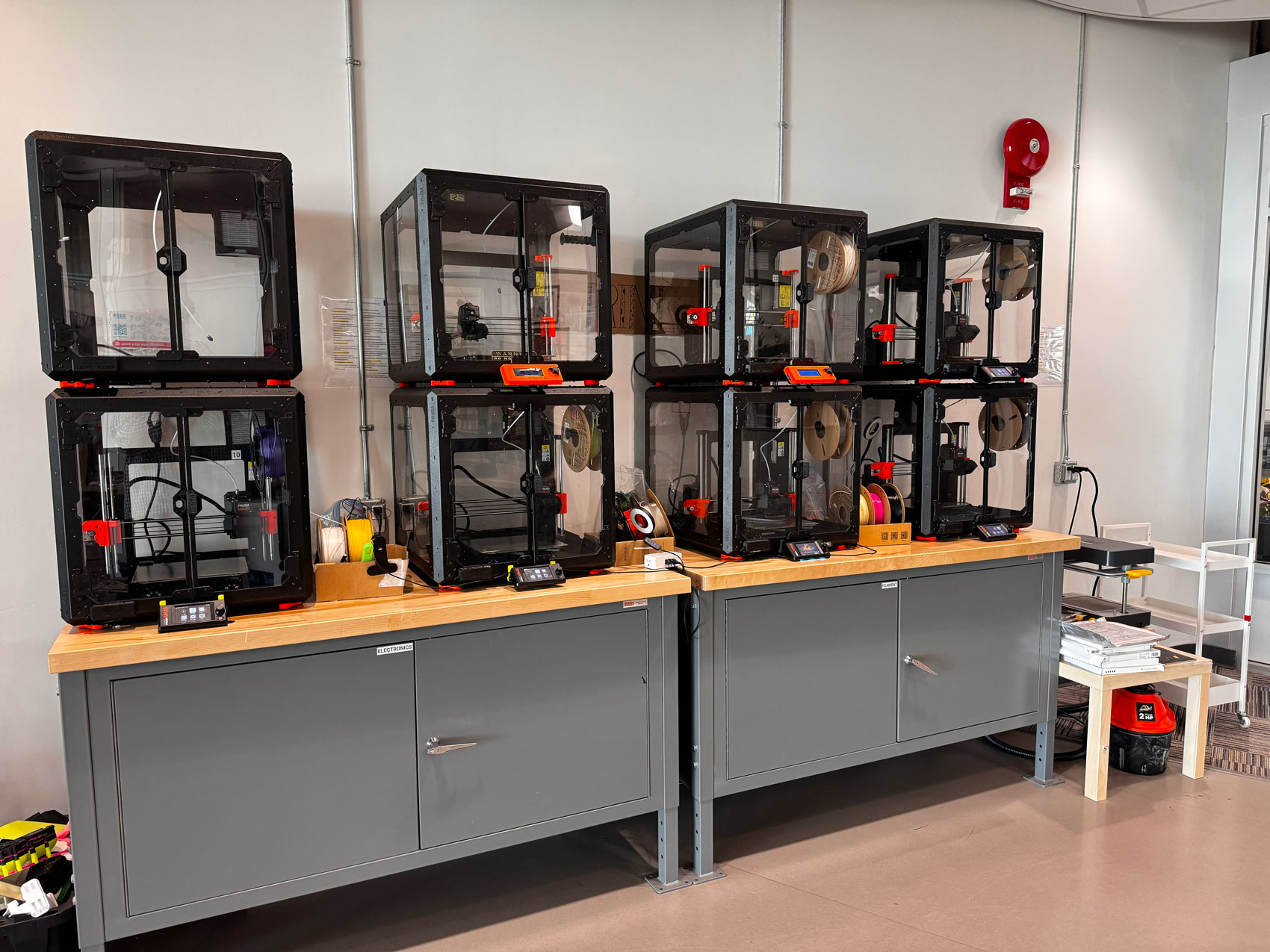
At Strathcona-Tweedsmuir School (STS), we seek to create an environment that encourages engaging and empowered learning, while prioritizing future-ready skills for our students. Through transformative spaces such as DaVinci Studios, Maker Spaces, and Innovations Studios, we can create programming that achieves this goal across all three divisions at STS.
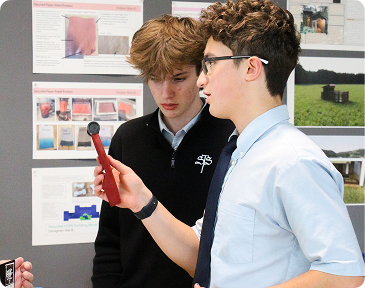
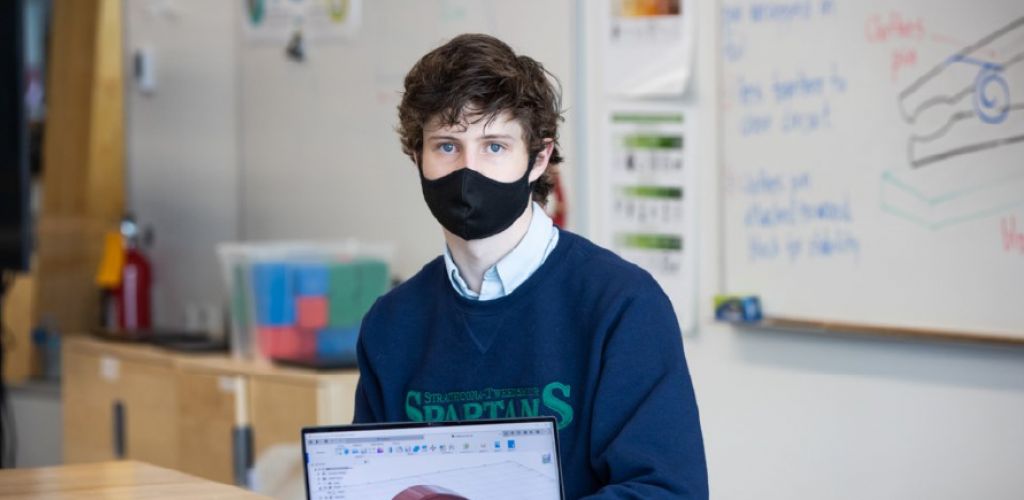
STS Student, Michael S.'21, has designed a car stick shift to help those with arthritis drive manual cars.
Explore Next
Explore Next
Explore Next
Explore Next