
Contact
 403.938.4431


Home  Academics International Baccalaureate Programmes Primary Years Programme (PYP)
The Primary Years Programme spans kindergarten through Grade 6 — and it begins with a simple but powerful conviction: children are natural inquirers, and great teaching honours instinct rather than replacing it.
Rooted in a student-centred philosophy, the PYP nurtures foundational knowledge, conceptual understanding, and essential skills through an inquiry-based, transdisciplinary approach. Students don’t just learn about the world — they actively explore and interact with it, building the attributes of the IB Learner Profile from their very first days at STS.
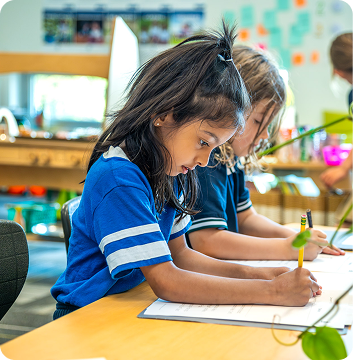
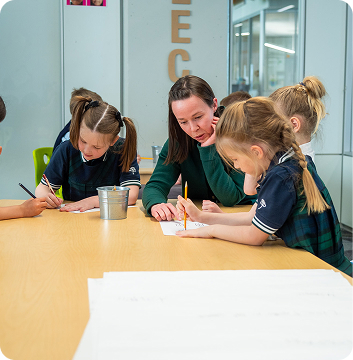
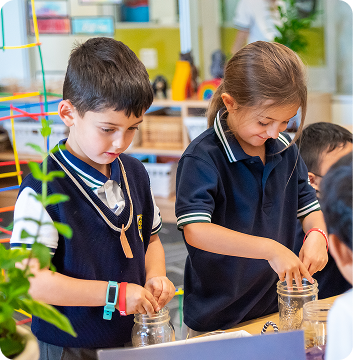
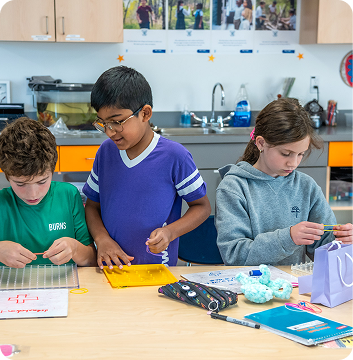
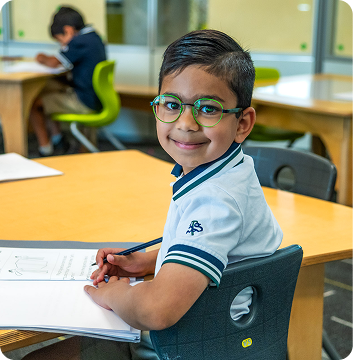
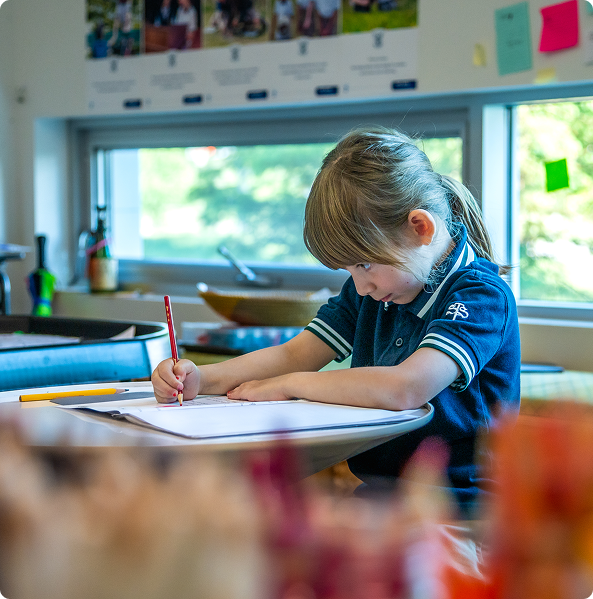
PYP follows an inquiry-based, transdisciplinary curriculum where students explore how big ideas and experiences connect across subjects. Where science connects to society, history to identity and art to everything!
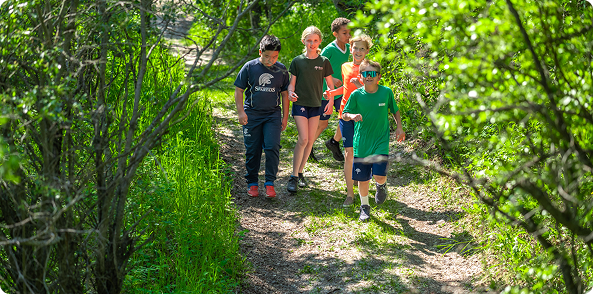
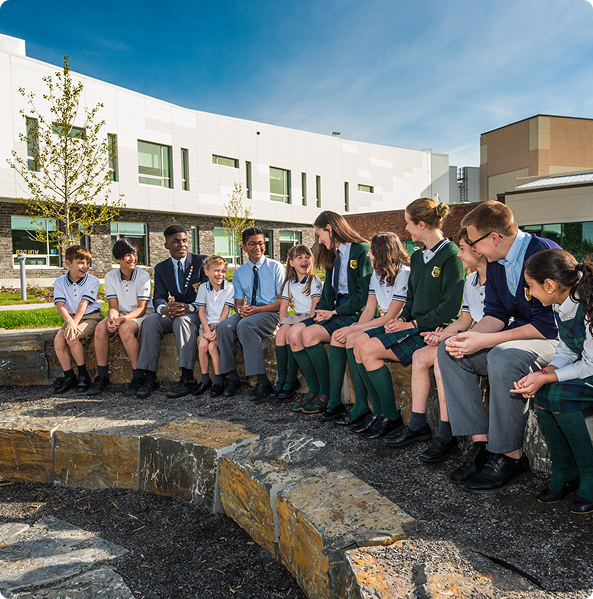
From inquiry to theory, PYP views students as integral partners in their own educational process, creating a context that values children for who they are and who they are becoming.
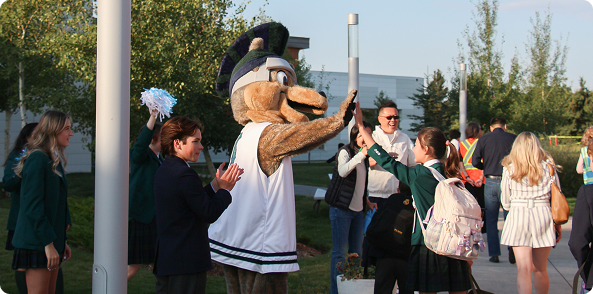
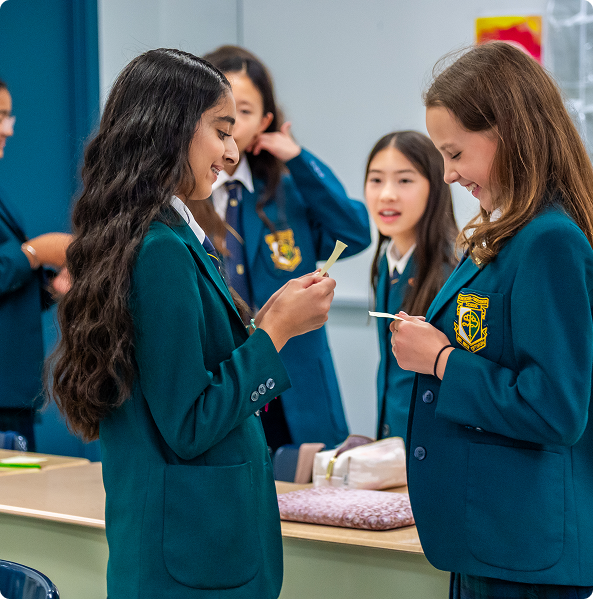
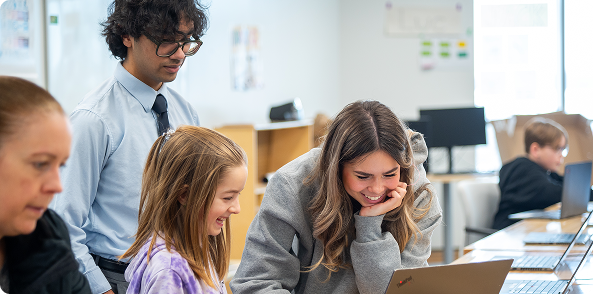
Understanding how students learn is fundamental to the IB, and PYP learners actively collaborate with teachers to co-create solutions to their current learning needs.
The framework below outlines six transdisciplinary units of inquiry that students explore from Kindergarten through Grade 6, creating a strong sense of continuity in their learning journey.
By moving beyond traditional subject boundaries and embracing a transdisciplinary approach, students are empowered to think critically and creatively. This fosters deeper exploration, richer ideation, and more meaningful understanding.
Our IB-accredited teachers and dedicated support staff apply these units of inquiry in a cohesive way, integrating them across subject areas within the Alberta Programs of Study, and extending learning even further beyond the classroom.
“Every person is a unique part of the great big world.”
An inquiry into the nature of the self; beliefs and values; personal, physical, mental, social, and spiritual health; human relationships, including families, friends, and classmates; rights and responsibilities; and what it means to be human.,
“Travel has changed over time and affected the lives of people & other living things.”
An inquiry into orientation in place and time, personal histories, homes and journeys, discoveries, explorations, and migrations, and the interconnectedness of individuals and civilizations from local and global perspectives.
“Humans gather information in different ways.”
An inquiry into the natural world and its laws, the interaction of physical and biological systems with human societies, the application of scientific understanding, and the impact of scientific and technological advances.
“Environments can be explored and wondered about.”
An inquiry into rights and responsibilities in sharing finite resources with others and the natural world; relationships within and between communities; access to equal opportunities; and peace and conflict resolution.
“Patterns help us make sense of our world.”
An inquiry into the interconnectedness of human-made systems and communities, the structure and function of organizations, societal decision-making, and economic activity and its impact on people and the environment.
“Ideas and feelings can be expressed through the arts.”
An inquiry into the ways we discover and express ideas, culture, beliefs, and values, and how creativity is developed, extended, and appreciated.
“Belonging to groups adds to your identity.
”
An inquiry into the nature of the self; beliefs and values; personal, physical, mental, social and spiritual health; human relationships including families, friends, communities and cultures; rights and responsibilities; what it means to be human
“Stories and events from the past affect families and communities today.”
An inquiry into orientation in place & time; personal histories; homes and journeys; the discoveries, explorations and migrations of humankind; the relationships between, & the interconnectedness of, individuals and civilizations from local and global perspectives.
“The changing of the seasons affects our lives and the world around us.”
An inquiry into the natural world & its laws; the interaction between the natural world (physical & biological) & human societies; how humans use their understanding of scientific principles; the impact of scientific & technological advances on society & on the environment.
“Humans, animals and plants depend on each other to survive.”
An inquiry into rights and responsibilities in the struggle to share finite resources with other people and with other living things; communities and the relationships within and between them; access to equal opportunities; peace and conflict resolution.
“Humans use processes to organise information.”
An inquiry into the interconnectedness of human-made systems & communities; the structure & function of organizations; societal decision-making; economic activities & their impact on humankind & the environment.
“Symbols are used to communicate thoughts and ideas.”
An inquiry into the ways in which we discover & express ideas, feelings, nature, culture, beliefs & values; the ways in which we reflect on, extend & enjoy our creativity; our appreciation of the aesthetic.
“The choices we make affect our health and well-being.”
An inquiry into the nature of the self; beliefs and values; personal, physical, mental, social and spiritual health; human relationships including families, friends, communities and cultures; rights and responsibilities; what it means to be human
“The future can be shaped by events and people of the past.”
An inquiry into orientation in place & time; personal histories; homes and journeys; the discoveries, explorations and migrations of humankind; the relationships between, & the interconnectedness of, individuals and civilizations from local and global perspectives.
“The choice of materials influences the effectiveness of a product.”
An inquiry into the natural world & its laws; the interaction between the natural world (physical & biological) & human societies; how humans use their understanding of scientific principles; the impact of scientific & technological advances on society & on the environment.
“Human behaviour influences the growth and development of organisms.”
An inquiry into rights and responsibilities in the struggle to share finite resources with other people and with other living things; communities and the relationships within and between them; access to equal opportunities; peace and conflict resolution.
“People adapt to physical geography to live.”
An inquiry into the interconnectedness of human-made systems & communities; the structure & function of organizations; societal decision-making; economic activities & their impact on humankind & the environment.
“An author's' craft allows readers and writers to creatively express their ideas.”
An inquiry into the ways in which we discover & express ideas, feelings, nature, culture, beliefs & values; the ways in which we reflect on, extend & enjoy our creativity; our appreciation of the aesthetic.
“Global citizenship includes a responsibility to make a positive change in the world.”
An inquiry into the nature of the self; beliefs and values; personal, physical, mental, social and spiritual health; human relationships including families, friends, communities and cultures; rights and responsibilities; what it means to be human
“The geography, culture and social systems in a community influence quality of life.”
An inquiry into orientation in place & time; personal histories; homes and journeys; the discoveries, explorations and migrations of humankind; the relationships between, & the interconnectedness of, individuals and civilizations from local and global perspectives.
“The investigation of matter and energy helps us to understand changes in the physical world.”
An inquiry into the natural world & its laws; the interaction between the natural world (physical & biological) & human societies; how humans use their understanding of scientific principles; the impact of scientific & technological advances on society & on the environment.
“Earth's surface holds stories of the past.”
An inquiry into rights and responsibilities in the struggle to share finite resources with other people and with other living things; communities and the relationships within and between them; access to equal opportunities; peace and conflict resolution.
“When humans understand the connections between plants and animals, they can take responsibility for protecting them.”
An inquiry into the interconnectedness of human-made systems & communities; the structure & function of organizations; societal decision-making; economic activities & their impact on humankind & the environment.
“Identity is reflected through culture.”
An inquiry into the ways in which we discover & express ideas, feelings, nature, culture, beliefs & values; the ways in which we reflect on, extend & enjoy our creativity; our appreciation of the aesthetic.
“The change that happens when cultures collide can be viewed from many perspectives.”
An inquiry into the nature of the self; beliefs and values; personal, physical, mental, social and spiritual health; human relationships including families, friends, communities and cultures; rights and responsibilities; what it means to be human
“The remnants of a place tell the story of its land, species and people.”
An inquiry into orientation in place & time; personal histories; homes and journeys; the discoveries, explorations and migrations of humankind; the relationships between, & the interconnectedness of, individuals and civilizations from local and global perspectives.
“The life cycle of plants supports healthy ecosystems on earth.”
An inquiry into the natural world & its laws; the interaction between the natural world (physical & biological) & human societies; how humans use their understanding of scientific principles; the impact of scientific & technological advances on society & on the environment.
“All living things create waste within their life cycle which in turn affects the environment.”
An inquiry into rights and responsibilities in the struggle to share finite resources with other people and with other living things; communities and the relationships within and between them; access to equal opportunities; peace and conflict resolution.
“Building and design systems impact communities and the environment.”
An inquiry into the interconnectedness of human-made systems & communities; the structure & function of organizations; societal decision-making; economic activities & their impact on humankind & the environment.
“By exploring and expressing our identity, we can recognize the diversity around us.”
An inquiry into the ways in which we discover & express ideas, feelings, nature, culture, beliefs & values; the ways in which we reflect on, extend & enjoy our creativity; our appreciation of the aesthetic.
“Historical events help to shape a nation.”
An inquiry into the nature of the self; beliefs and values; personal, physical, mental, social and spiritual health; human relationships including families, friends, communities and cultures; rights and responsibilities; what it means to be human
“Immigration causes changes in perspective.”
An inquiry into orientation in place & time; personal histories; homes and journeys; the discoveries, explorations and migrations of humankind; the relationships between, & the interconnectedness of, individuals and civilizations from local and global perspectives.
“Through the design process, technology can be used to solve problems.”
An inquiry into the natural world & its laws; the interaction between the natural world (physical & biological) & human societies; how humans use their understanding of scientific principles; the impact of scientific & technological advances on society & on the environment.
“Stewards of the land take responsibility through action.”
An inquiry into rights and responsibilities in the struggle to share finite resources with other people and with other living things; communities and the relationships within and between them; access to equal opportunities; peace and conflict resolution.
“Critical thinkers utilize scientific methods to explore change.”
An inquiry into the interconnectedness of human-made systems & communities; the structure & function of organizations; societal decision-making; economic activities & their impact on humankind & the environment.
“Cultures create an identity through relationships with the land.”
An inquiry into the ways in which we discover & express ideas, feelings, nature, culture, beliefs & values; the ways in which we reflect on, extend & enjoy our creativity; our appreciation of the aesthetic.
“Through the use of voice and power, humans' actions reflect their values and beliefs.”
An inquiry into the nature of the self; beliefs and values; personal, physical, mental, social and spiritual health; human relationships including families, friends, communities and cultures; rights and responsibilities; what it means to be human
“An individual’s ability to participate in government is determined by their role in society.”
An inquiry into orientation in place & time; personal histories; homes and journeys; the discoveries, explorations and migrations of humankind; the relationships between, & the interconnectedness of, individuals and civilizations from local and global perspectives.
“Scientific principles and human ingenuity contribute to advancements in transportation.”
An inquiry into the natural world & its laws; the interaction between the natural world (physical & biological) & human societies; how humans use their understanding of scientific principles; the impact of scientific & technological advances on society & on the environment.
“Humans interactions with forest ecosystems are challenged by diverse perspectives.”
An inquiry into rights and responsibilities in the struggle to share finite resources with other people and with other living things; communities and the relationships within and between them; access to equal opportunities; peace and conflict resolution.
“Rights and responsibilities influence the organization of people within a society.”
An inquiry into the interconnectedness of human-made systems & communities; the structure & function of organizations; societal decision-making; economic activities & their impact on humankind & the environment.
“Individuals express their values and beliefs through written language and visuals.”
An inquiry into the ways in which we discover & express ideas, feelings, nature, culture, beliefs & values; the ways in which we reflect on, extend & enjoy our creativity; our appreciation of the aesthetic.
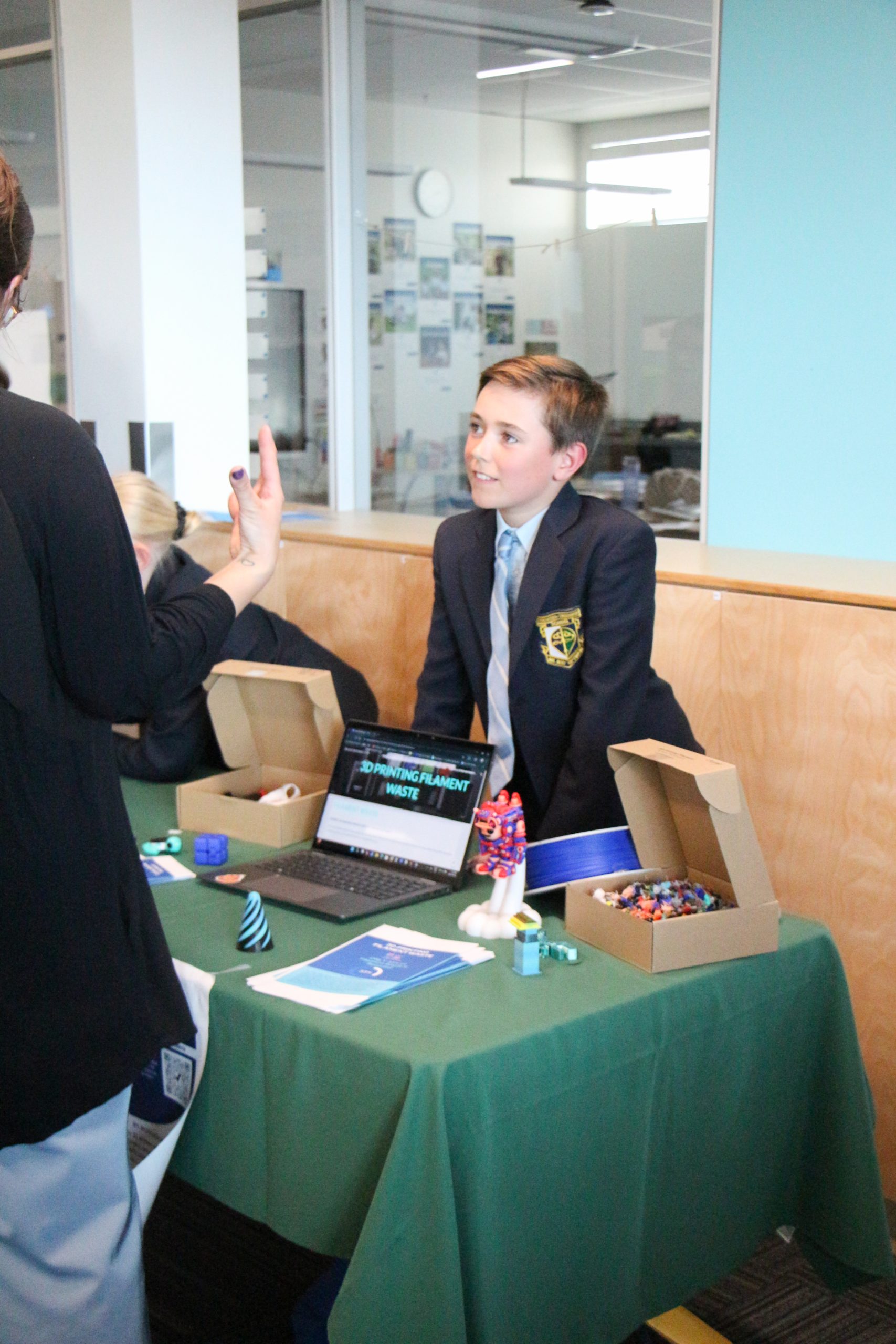
In the culminating year of their PYP journey, Grade 6 students engage in the impactful PYP Exhibition.
This milestone event provides a platform for students to showcase their understanding of real-life issues or topics they have delved into throughout the year or have explored out of personal interest.
The Exhibition allows students to reflect and act on their learning, leveraging ATL skills such as self-management, research, communication, critical and creative thinking, and collaboration. Students demonstrate recognition and appreciation for scholarship as a personal and dynamic pursuit.
The IB continuum prepares students for success in post-secondary studies. Leading universities and colleges actively recruit IB graduates, often offering credit or advanced standing for their work.
The IB continuum prepares students for success in post-secondary studies. Leading universities and colleges actively recruit IB graduates, often offering credit or advanced standing for their work.
The IB continuum prepares students for success in post-secondary studies. Leading universities and colleges actively recruit IB graduates, often offering credit or advanced standing for their work.
Your child’s education starts here – and we’re excited to share the learning journey with you. Explore our latest news and updates in our STS newsletter.
403.938.4431